
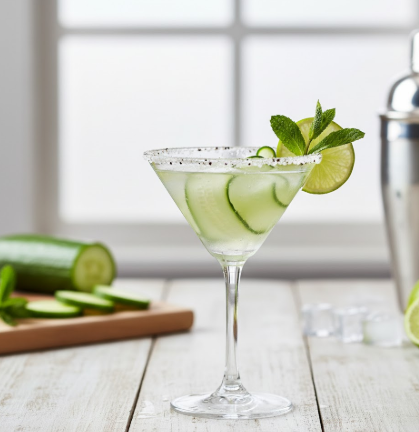
There is a certain sophistication that comes with enjoying a martini, especially when it features a truly refreshing touch. The cucumber martini blends crisp, cool flavors with an elegant presentation, making it a popular choice at cocktail bars and home gatherings. Few ingredients transform a classic quite like cucumber does; its smoothness pairs beautifully with both vodka and gin, giving this drink a unique allure.
Despite its presence at rooftop lounges and stylish brunches, the cucumber martini remains surprisingly easy to craft in one’s own kitchen. With just a handful of quality ingredients and a few simple tips, this modern take on a martini opens up new dimensions of flavor—perfect for summer evenings or festive winter celebrations.
Understanding the appeal of the cucumber martini
The true charm of a cucumber martini lies not only in its taste but also in the overall experience it offers. This cocktail stands apart from heavier, more spirit-forward options by embracing freshness and subtlety. Its pale green color hints at something unexpected—light, cooling, yet undeniably refined.
Cucumber is far more than a garnish here; it takes center stage, enhancing the botanicals in gin or elevating the clean profile of vodka. The result is a beverage that feels both like a healthy treat and a sophisticated indulgence for grown-ups.
The essential ingredients for crafting the perfect cucumber martini
Achieving a standout martini always starts with carefully chosen, top-quality components. Each ingredient brings depth and character, so even small tweaks can make a big impact on the final balance. Some recipes add creative twists, while others keep things minimal to spotlight the essentials.
- Cucumber (fresh, thinly sliced)
- Vodka or gin
- Dry vermouth
- Elderflower liqueur (optional, for floral sweetness)
- Simple syrup
- Citrus element (lemon or lime juice)
- Ice cubes
For those who enjoy experimenting, elderflower liqueur adds a gentle, fragrant lift to the mix. Meanwhile, a splash of citrus brings a bright, tart counterpoint that balances the cool, vegetal notes of cucumber.
How to make a cucumber martini?
Crafting this martini at home requires no advanced bartending skills—just a bit of thoughtful preparation. Freshness makes all the difference, so a chilled cucumber and freshly squeezed citrus ensure every sip bursts with vibrant flavor.
Both vodka and gin serve as excellent foundations. Vodka creates a silky base, while gin delivers herbaceous complexity. Either option will harmonize beautifully with the rest of the cocktail’s profile.
Step-by-step instructions
Begin by slicing half a cucumber into thin rounds, saving a couple for garnish. Place several slices in the bottom of a shaker and muddle gently to release their essence. Add two ounces of vodka or gin, followed by half an ounce of dry vermouth and a third of an ounce of elderflower liqueur if using.
Squeeze in some lemon or lime juice for acidity, then add a touch of simple syrup to mellow the tartness. Fill the shaker with ice, seal tightly, and shake vigorously until the outside frosts over. For a clear pour, strain twice before serving.
Presentation tips and finishing touches
Presentation matters. Serve the finished martini in a well-chilled glass, floating an extra cucumber slice on top for visual appeal. Those seeking added aroma might zest a curl of lemon or lime above the rim.
A sprinkle of cracked black pepper introduces a daring note without overwhelming the drink. A sprig of fresh mint or basil can further reinforce the garden-fresh, seasonal vibe.
When does a cucumber martini shine?
While many cocktails seem tied to a single season, the cucumber martini proves versatile enough for almost any occasion. Its crisp vibrancy suits everything from sunny afternoons to candlelit dinners, easily adapting to different moods and settings.
Brunches, weddings, picnics, and aperitifs are all ideal backdrops. This martini pairs gracefully with lighter fare—such as salads, sushi, or grilled fish—or acts as a refreshing palate cleanser during multi-course meals.
Pairing suggestions
Carefully chosen food pairings can highlight various aspects of the drink. Crisp vegetables, smoked salmon, herbed cheeses, or fruit skewers each accentuate the martini’s unique notes. Flavorful appetizers help showcase the attention to detail behind every glass.
For memorable entertaining, consider offering finger sandwiches or oyster shooters alongside the cocktail. The interplay between savory bites and the cool, vegetal martini creates layers of enjoyment across the meal.
Seasonal adaptations
One of the best qualities of this cocktail is its adaptability. In colder months, increasing the amount of vermouth can deepen the flavor, or opting for more gin adds a spicier edge. Spring and summer versions benefit from extra citrus and a splash of club soda for a lively, sparkling finish.
For those who appreciate bold flavors, muddled jalapeño brings a gentle heat, while rosemary infuses a woodsy warmth suited to wintry occasions.
Why choose gin or vodka for the base?
Both vodka and gin have loyal fans, and their differences become especially apparent in a cucumber martini. Each spirit provides a distinct foundation, shaping the drink’s texture and flavor profile to suit different preferences.
Ultimately, the choice depends on mood and personal taste. Selecting the right base allows certain flavors to stand out, while others play a supporting role in the background.
Exploring vodka’s role
Vodka supplies a sleek, neutral canvas, allowing cucumber’s delicate flavor to shine. With minimal aroma or aftertaste, vodka lets added elements like citrus or elderflower liqueur come forward clearly and cleanly.
Those who gravitate toward a classic, understated martini often favor vodka, appreciating its simplicity and ease of pairing.
Discovering the magic of gin
In contrast, gin contributes herbal depth through botanicals such as juniper, coriander, and citrus peel. Paired with cucumber, gin produces a dynamic blend of cooling vegetable notes and aromatic spice—a combination sure to intrigue adventurous palates.
Bartenders frequently recommend gin-based variations to guests seeking a bold, textured sipping experience with pronounced aromatics.
Expert answers: common queries about the cucumber martini
What garnishes complement a cucumber martini?
- Thin cucumber ribbon or round slice (classic choice)
- Lemon or lime twist for added brightness
- Fresh mint or basil sprig for a herbal note
- Light sprinkle of cracked black pepper for subtle spice
These options enhance aroma and presentation, making each glass look and smell inviting.
Can a cucumber martini be made without vermouth?
Dry vermouth contributes botanical and slightly bitter notes, but it’s possible to skip it for a cleaner profile. Many home bartenders increase the citrus juice or add a drop more elderflower liqueur to maintain balance. Omitting vermouth will yield a lighter and less layered drink.
Is there a non-alcoholic version of the cucumber martini?
Yes, simply replace the vodka or gin with non-alcoholic spirits or sparkling water. Combine:
- Muddled fresh cucumber
- Citrus juice
- Simple syrup, to taste
- Chilled sparkling water or botanical mixer
This blend preserves the refreshing essence while remaining suitable for all guests.
How sweet should a cucumber martini be?
Most drinkers favor a lightly sweetened style. Adjust the amount of simple syrup according to preference—typically between 0.25 to 0.5 ounces per serving. Experimentation allows the drink to move seamlessly from tangy and sharp to silky and dessert-like.
| Simple syrup (oz) | Description |
|---|---|
| 0.25 | Very dry, crisp finish |
| 0.4 | Balanced, versatile |
| 0.5 | Smooth, gently sweet |