
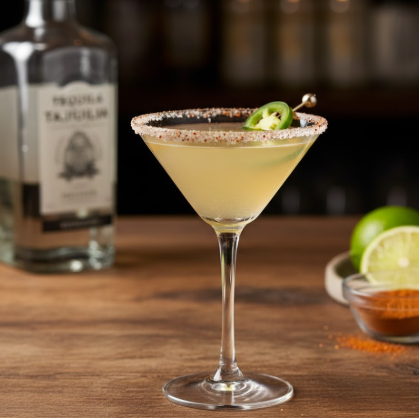
When one thinks of a martini, images of elegance, iconic glassware, and that timeless blend of gin or vodka with vermouth often come to mind. However, tequila has recently staked its claim in this sophisticated realm, introducing a vibrant fusion that both surprises and delights seasoned enthusiasts and those simply curious. Among inventive cocktails, the tequila martini emerges as a lively reinterpretation—melding Mexican flair with the sophistication of a true classic.
What defines a tequila martini?
This drink stands apart from its more traditional siblings by uniting the robust agave notes of tequila with key elements borrowed from the original martini. The result is a layered sip, featuring subtle hints of citrus, spice, and occasionally a savory touch provided by olive brine or bitters. While it borrows the name and some inspiration from the classic, each glass offers an experience that is undeniably unique.
Typically, blanco or silver tequila forms the base, bringing fresh, nuanced flavors ideal for mixing. Whether shaken or stirred, garnished traditionally with olives or given a Mexican twist with lime, the options for personalization are almost endless.
The essential ingredients and their roles
Crafting a memorable tequila martini involves just a few core components, but understanding what each contributes elevates the entire drink. These ingredients shape both the flavor profile and the overall style of the cocktail.
Choosing tequila and vermouth
Selecting the right blanco tequila is key. Blanco—or silver—tequila delivers brightness and purity, allowing the agave character to shine through. This clean foundation pairs beautifully with dry vermouth, which lends herbal and lightly floral undertones. Adjusting the ratio between tequila and vermouth lets the boldness of agave take center stage or creates a more balanced complexity.
A drier version calls for less vermouth, letting tequila’s personality stand out. For those who prefer a gentler approach, extra vermouth can soften sharp edges without masking the distinctive spirit at the heart of the drink.
Additions: bitters, olive, and citrus touches
Modern variations often include bitters, paying homage to the classic martini’s finishing flourish. Bitters such as Angostura add warmth and aromatic depth while respecting the delicate interplay between tequila and vermouth.
The garnish transforms the final impression. A plump olive provides a subtle saltiness, while a teaspoon of olive juice or brine creates a “dirty” martini, balancing salinity with the complex zest of quality tequila. Alternatively, a twist of lime peel or a splash of lime juice brightens the drink, imparting a refreshing lift. Some aficionados swap lime for orange juice, adding gentle sweetness and soft aromatics over sharper acidity.
Variations and creative interpretations
Purists may argue that martinis should be reserved for gin or vodka, but experimentation keeps mixology dynamic and exciting. Thanks to its versatility, tequila encourages new interpretations and regional mash-ups, inspiring bartenders across the globe.
The Mexican martini
This hybrid, growing in popularity especially in Texas, blends aspects of the margarita with the refined look of a martini. Unlike most classic recipes, the Mexican martini includes additions like orange liqueur, fresh lime juice, and sometimes a salted rim. It balances the tangy punch of a margarita with the elegant presentation of a martini.
Often served in large shakers or split between two glasses, this version invites sharing among friends. Garnishes might include olives or jalapeño slices for extra flair. The resulting flavors are layered—tart, sweet, salty, and slightly spicy. Lime juice remains central, though some opt for a dash of olive brine for complexity or choose orange juice for a milder, sweeter effect.
Other inventive approaches
Bartenders occasionally swap standard vermouth for specialty varieties, introducing fresh herbal nuances. Using grapefruit bitters or infusing the drink with a thin slice of serrano chili can completely transform the profile, turning a simple martini into a showcase of local inspiration.
Citrus juices—whether lime, orange, or even lemon—affect how tequila interacts with other ingredients. Some experiment further by replacing olives with cocktail onions to create a tequila Gibson, or by incorporating cucumber ribbons for added freshness. Each variation aims not to overshadow the spirit, but to open up new layers and unexpected combinations for adventurous palates.
Preparing a tequila martini at home
Bringing a tequila martini to life at home does not require extensive bartending experience. With a few tools and attention to ingredient quality, anyone can prepare a cocktail that impresses guests or enhances a quiet evening. Clear ice, a proper glass, and balanced proportions all contribute to the drink’s distinctive character.
- Begin with 2 ounces of blanco (silver) tequila
- Add 0.5 to 0.75 ounces of dry vermouth
- Include a dash or two of bitters (optional)
- Squeeze in 0.25 ounce of lime or orange juice for brightness (optional)
- Shake or stir with high-quality ice until thoroughly chilled
- Strain into a stemmed martini glass
- Garnish with an olive, twist of lime, or a drop of olive brine
For a “dirty” version, simply add a bar spoon of olive juice before shaking. Those who enjoy citrus-forward profiles might try adding orange juice for a rounder, sweeter finish, enhancing or replacing the vibrancy of lime. The beauty of this cocktail lies in the freedom to adjust ratios, tailoring flavors to match any preference or occasion.
Exploring tequila martini’s place among classics
This innovative cocktail bridges the gap between the timeless elegance of the martini and the playful spirit of the margarita. Its flexibility encourages experimentation with ingredients—vermouth, bitters, citrus, or olive brine—redrawing boundaries while honoring tradition.
For hosts seeking something new, the tequila martini sparks conversation and creativity. Whether favoring vintage simplicity, modern touches, or regionally inspired blends like the Mexican martini, each pour offers a chance to explore and delight. Enthusiasts of bold spirits will appreciate how this variation combines familiar forms with agave intrigue, ensuring its continued spot in the cocktail repertoire.
Common questions about tequila martinis
Which type of tequila works best for martinis?
Most bartenders recommend using blanco or silver tequila due to its clear, unaged flavors and crisp finish. These qualities make it versatile and able to support both savory and citrus notes commonly found in martini-style drinks. Reposado can work for a deeper, woodier flavor, but may overpower certain mixers.
- Blanco/silver tequila: clean, peppery, ideal for sipping and mixing
- Reposado: slightly aged, richer profile, best used sparingly in creative twists
How is a tequila martini different from a margarita?
Though both rely on tequila as a base, these cocktails differ greatly in taste and preparation. A margarita features triple sec or orange liqueur and emphasizes lime juice, creating a tart, sweet beverage typically served over ice or blended. By contrast, the tequila martini highlights vermouth, sometimes bitters or olive brine, and showcases tequila’s complexity with minimal sweetness and acidity.
- Margarita: tequila, lime juice, orange liqueur, often a salted rim
- Tequila martini: tequila, vermouth, optional bitters/citrus, garnished with olive or lime
| Drink | Main mixers | Typical garnish |
|---|---|---|
| Margarita | Lime juice, orange liqueur | Salted rim, lime wheel |
| Tequila martini | Vermouth, bitters | Olive, lime twist |
Can one make a dirty tequila martini?
Absolutely, substituting olive juice or brine into the recipe achieves the same “dirty” effect as classic vodka or gin versions. Simply add a small amount—typically a bar spoon—alongside your chosen tequila and vermouth. This addition softens tequila’s assertiveness with a hint of salinity and extra dimension.
- Use high-quality olives to avoid unwanted bitterness
- Adjust the quantity to taste for a more or less pronounced briny note
What are some recommended garnishes for this cocktail?
Classic green olives, a twist of lime, a thin wheel of orange, or a dash of orange bitters all make excellent choices. Selected garnishes influence aroma and appearance, but also infuse the drink with subtle flavor shifts as they rest in the glass.
- Green olives, plain or stuffed
- Fresh lime or orange twist
- Optional pepper-stuffed olives for a gentle spice