
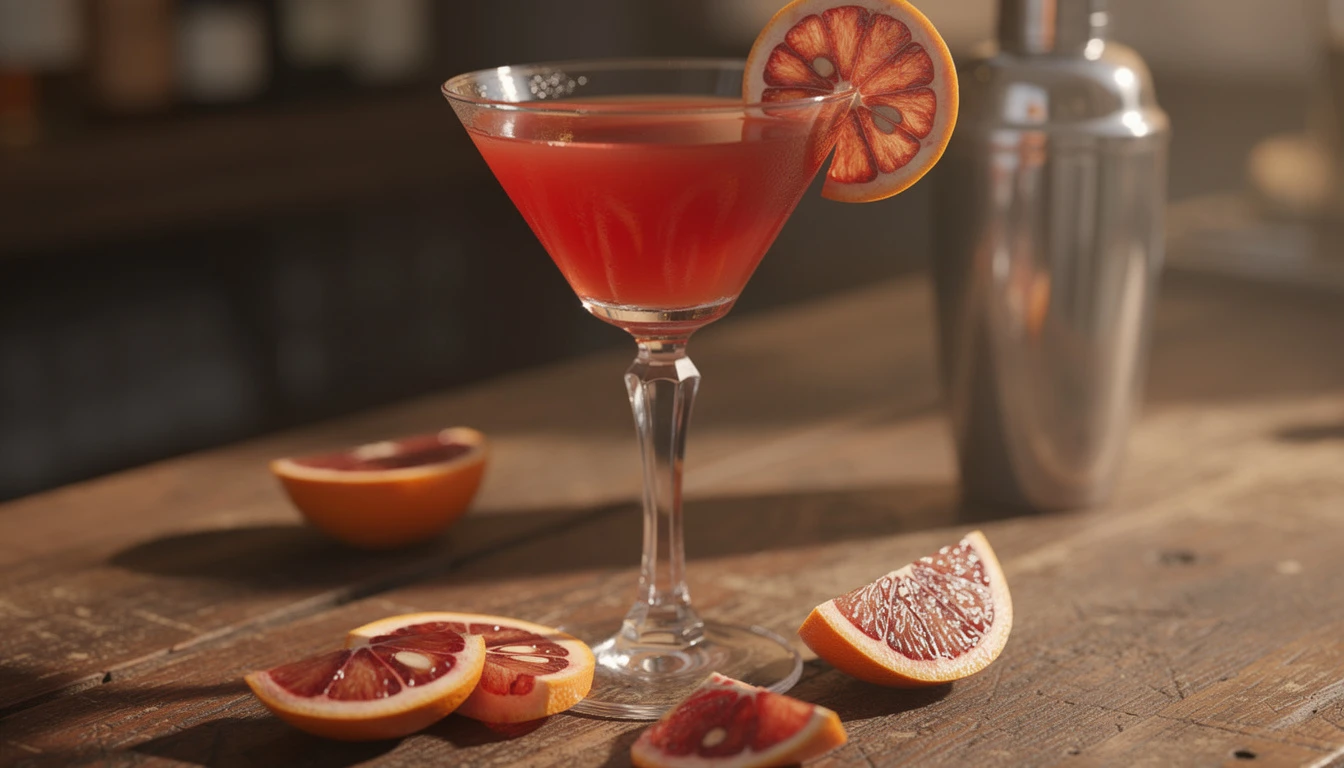
There is something truly captivating about the color and flavor of a freshly prepared blood orange martini. This cocktail instantly brings sophistication to any gathering. The unique citrus notes from blood orange juice pair beautifully with either vodka or gin, creating a drink that stands out visually and on the palate. Here, discover what makes a blood orange martini so special, how to balance its flavors, and fresh ways to bring new life to this classic favorite.
What gives a blood orange martini its signature twist?
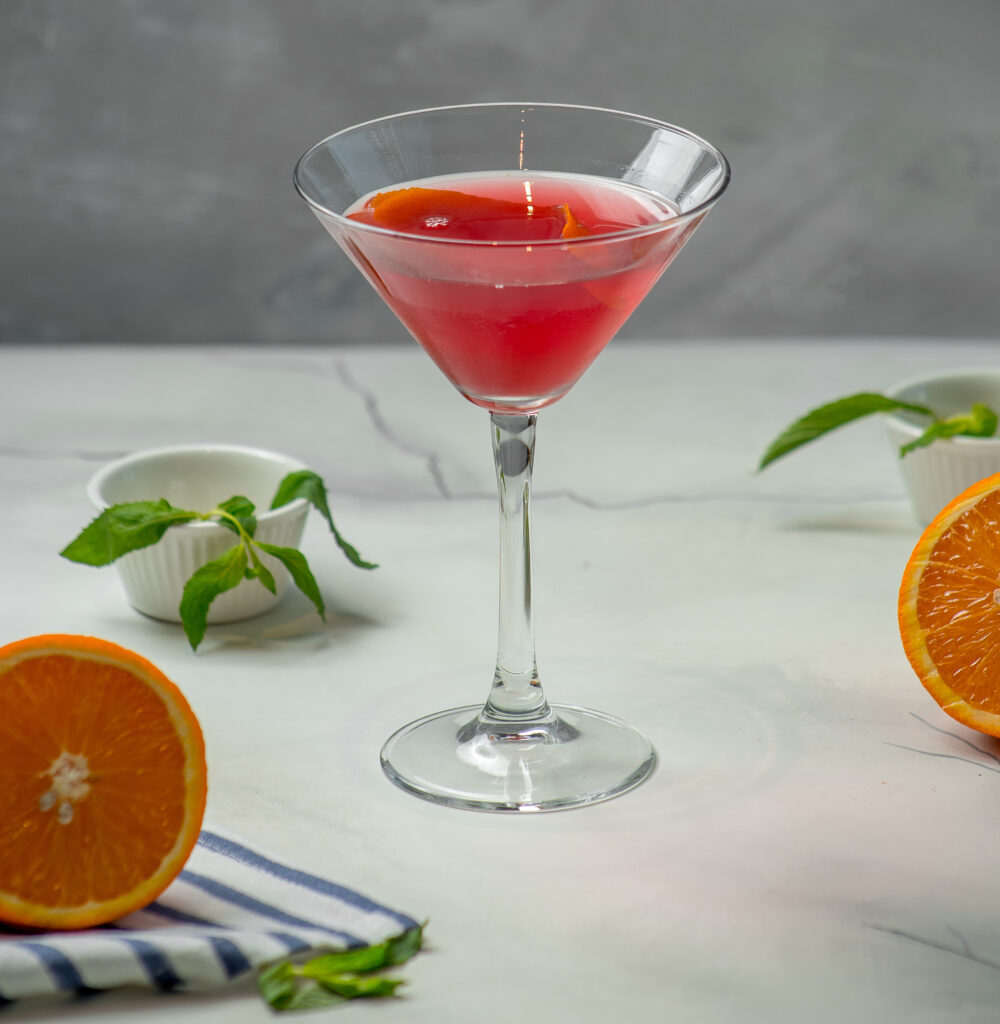
The deep crimson hue of blood oranges is not just for show—the fruit delivers subtle raspberry-like undertones, giving the martini an aroma and tang distinct from regular oranges. That striking appearance always draws attention at parties or dinner events, but it is the taste that keeps guests returning for another round.
When crafting this cocktail, spirits such as vodka or gin serve as the foundation. Vodka allows the full vibrancy of blood orange to shine, while gin introduces layers of botanical complexity. Supporting ingredients usually include a splash of orange liqueur (such as triple sec, cointreau, or grand marnier), simple syrup, and either lime juice or lemon juice to fine-tune the tartness. Blending these components over ice in a cocktail shaker ensures a harmonious and refreshing result after a brisk shake.
Step-by-step guide to making a blood orange martini
Mixing cocktails at home may seem daunting, yet preparing a blood orange martini is straightforward and accessible, even for beginners. With a few essentials and basic bartending tools, it becomes easy to achieve bar-quality results right in a personal kitchen.
No need for specialized gadgets—a well-sealed cocktail shaker, some fresh citrus, plenty of ice, and quality spirits are all that is required. This setup encourages experimentation with ratios and customizations, including low sugar adaptations to suit different dietary preferences.
Gathering the right ingredients
Using fresh blood orange juice—especially during peak season—ensures both sweetness and acidity at their best. Spirits like vodka or gin create the backbone, while other elements add depth and balance. A modest pour of orange liqueur infuses aromatic richness, and simple syrup smooths out bitterness. Depending on availability, lemon juice brightens the profile, whereas lime juice offers a sharper, zesty finish.
For those seeking lower calorie options, decreasing the amount of simple syrup or selecting a low sugar alternative preserves vibrancy without extra sweetness. Even small adjustments noticeably influence the final sip’s character.
The mixing method using a cocktail shaker and ice
Assembling a martini blends science with creativity. Begin by filling a cocktail shaker halfway with ice to chill the ingredients effectively. Next, measure each component carefully. For a classic recipe:
- 2 ounces fresh blood orange juice
- 2 ounces vodka or gin (according to preference)
- 0.75 ounce orange liqueur (triple sec or another favorite)
- 0.25–0.5 ounce simple syrup (adjust for low sugar needs)
- 0.5 ounce lime juice or lemon juice
Combine all ingredients in the shaker and shake vigorously for about 15 seconds. This step guarantees proper dilution and seamless integration. Strain into a chilled glass for the best experience. While garnishes are optional, a thin slice or twist of blood orange adds visual flair and enhances the aroma of the finished drink.
Variations and serving suggestions
Once confidence in the basics grows, there is ample room to experiment with ingredient ratios, creative garnishes, and new twists. The blood orange martini serves as a perfect canvas for imaginative touches inspired by seasons, moods, or occasions.
Presentation also plays a key role. Serving the martini in coupe or traditional martini glasses instantly elevates the moment, transforming everyday sipping into an occasion. Using premium ice, fresh-pressed juices, and careful measurements imparts polish, whether entertaining friends in a cozy living room or enjoying solo relaxation on a quiet evening.
Low sugar and lighter versions
Many prefer cocktails that highlight the crisp bite of citrus and spirits rather than overt sweetness. Reducing or omitting simple syrup, or substituting it with muddled raspberries or blackberries, lowers sugar content and introduces subtle new flavors. Those mindful of calories can switch to low sugar mixers for a cleaner profile without sacrificing taste.
The amount of orange liqueur is also easily adjusted. Using less, or opting for a ‘light’ version, creates a lighter drink. In every case, relying on freshly squeezed blood orange juice maintains intensity and pure flavor.
Alternative spirits and bold infusions
While vodka is the most popular base, gin adds herbal top-notes that complement the earthiness of blood orange. Adventurous hosts sometimes incorporate a splash of sparkling water for effervescence or swap part of the citrus juice with grapefruit or passionfruit for a tropical effect.
Muddling herbs such as rosemary or basil before shaking impresses guests and transforms the martini into a layered sensory treat. Whether sticking to the classic formula or embracing bolder variations, each version of this cocktail becomes a memorable refreshment.
Frequently asked questions about blood orange martinis
Which is better for a blood orange martini: vodka or gin?
Vodka highlights the pure essence of blood orange juice, offering a smooth texture and neutral backdrop. Gin contributes botanical undertones, lending more aromatics and complexity to the citrus base. The choice depends on personal taste, but both spirits work brilliantly and suit different occasions.
- Vodka: Cleaner, lets citrus stand out
- Gin: Herbal accent, more layered
| Spirit | Main effect |
|---|---|
| Vodka | Light, neutral |
| Gin | Complex, aromatic |
Can a low sugar blood orange martini still taste good?
Absolutely. Reducing or skipping simple syrup lets the natural sweetness and tang of blood orange juice take center stage. For added flavor without extra sugar, try muddling fresh berries or using naturally sweeter orange varieties. Adjust the level of citrus juice to keep the drink lively and refreshing.
- Use fewer sweeteners
- Add herbs or spices for depth
- Muddle fruits for subtle sweetness
Is a cocktail shaker really necessary for a martini?
While a cocktail shaker mixes and chills ingredients quickly and efficiently, a tightly sealed jar or tumbler can substitute if needed. Shaking with ice achieves a silky texture and balanced dilution, though stirring with plenty of ice provides acceptable results when a shaker is unavailable.
- Cocktail shaker: Best chill and texture
- Tumbler/jar: Adequate as backup
- Stirring: Acceptable if shaking is not possible
What’s the difference between triple sec, cointreau, and grand marnier in martinis?
Each orange liqueur brings its own character. Triple sec is light and accessible, cointreau is refined and balanced, and grand marnier has hints of brandy, resulting in a richer, more complex profile. Choosing a preferred liqueur tailors the cocktail—from crisp and bright to lush and rounded.
| Liqueur | Description |
|---|---|
| Triple sec | Light, sweet, straightforward citrus |
| Cointreau | Smooth, well-rounded, balanced |
| Grand Marnier | Rich, slightly oaky, complex |