
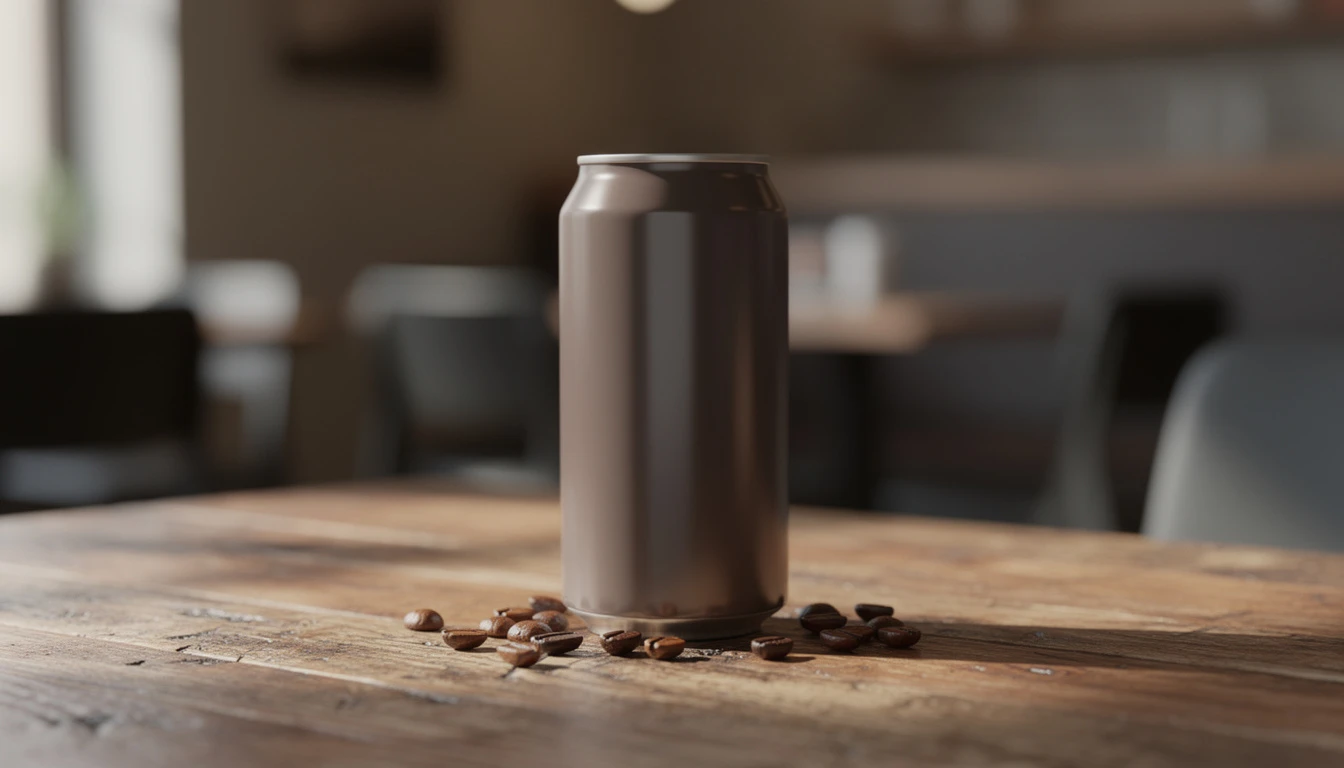
The popularity of canned espresso martinis has soared, seamlessly blending convenience with modern cocktail culture. For those who appreciate a good night out or simply wish to savor a bar-quality drink at home, these ready-to-drink beverages have become an appealing alternative. Each can promises that smooth and rich flavor found in an authentic espresso martini—chilled, mixed, and frothy straight from the package. But what truly sets these drinks apart? It is worth exploring the experience, ingredients, rankings, and essential considerations that define this premium trend.
What is a canned espresso martini?
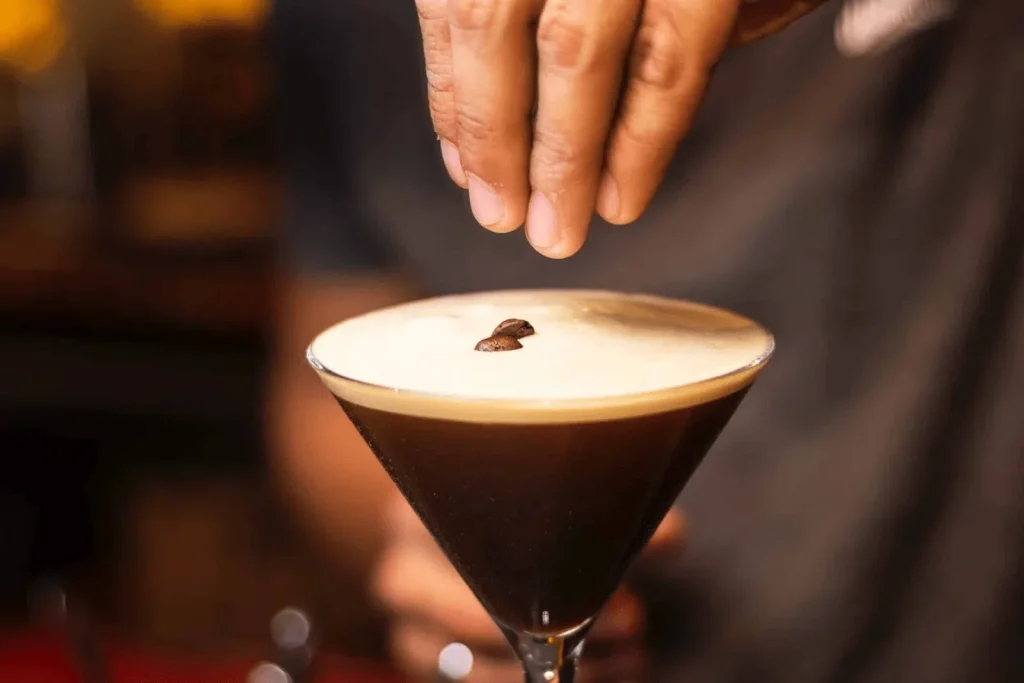
A canned espresso martini transforms the classic blend of vodka, coffee or espresso, and coffee liqueur into a portable format. Simply open a can, pour into a glass (or sip directly, if desired), and enjoy the indulgent combination without needing shakers or fresh ingredients.
This ready-to-drink approach preserves the signature frothy foam that makes an excellent espresso martini stand out—often achieved through nitro charging inside the can. There is no need for lengthy preparation or cleanup, yet the overall experience closely mirrors that of a crafted cocktail served in a high-end lounge.
Why are canned espresso martinis so popular?
The rapid rise of canned espresso martinis connects directly to two major trends: a craving for premium cocktails and the demand for on-the-go convenience. Many consumers desire quality but prefer not to invest in multiple spirits or mixers. Choosing a ready-to-drink version appeals to anyone seeking simplicity alongside genuine depth of flavor and a proper kick.
Whether for social gatherings, picnics, or relaxing after work, these cans deliver a satisfying balance between robust coffee notes and the warming bite of vodka—with consistent alcohol content (abv) in every serving. The drinking experience feels elevated compared to other canned beverages, thanks to that smooth, rich flavor and creamy finish.
How does nitro help the canned espresso martini?
Adding nitro technology creates an extra layer of enjoyment. When nitrogen gas is used, the result is a creamy texture and pronounced frothy foam. Many enthusiasts believe this feature sets premium offerings apart from standard versions.
Nitro also enhances the visual appeal—a dark coffee base topped by cream-colored foam—making each pour look and feel like a handcrafted treat. This presentation often signals genuine quality and authenticity to discerning guests.
Comparing flavors: are they actually as good as made-to-order?
It is natural to wonder whether a canned cocktail can match the work of a skilled bartender. Some brands successfully capture the intense espresso and roasted coffee flavors, blending them with just the right touch of sweetness from a cream or coffee liqueur. Well-crafted recipes allow the smoothness of vodka to come through gently.
Of course, some products fall short, lacking real coffee essence or offering a flat, unsatisfying finish. Finding favorites often means sampling different options and comparing their flavor profiles side by side, noting which brands best replicate the richness and froth expected from an outstanding espresso martini.
Main ingredients inside a canned espresso martini
Every high-quality canned espresso martini shares several essential components. Whether labeled as “espresso,” “cold brew,” or “coffee extract,” the coffee base must be bold and distinctive. Vodka provides the spirit backbone, chosen for its ability to enhance rather than overpower other flavors. Most recipes include coffee liqueur for added sweetness and complexity, while some use cream liqueur to increase body and roundness.
Common ingredients found in most canned versions include:
- Vodka: delivers alcohol content and a neutral profile
- Coffee: espresso, cold brew, or concentrated extract
- Coffee liqueur: introduces chocolate, caramel, or vanilla notes
- Cream liqueur (sometimes): adds mouthfeel and softness
- Sugar or natural sweetener: balances bitterness
- Nitro (in select options): produces luscious foam and texture
Ranking the best and worst: what sets a premium canned espresso martini apart?
Not all ready-to-drink espresso martinis are created equal. Options range from bland, watery imitations to premium examples that rival expertly mixed cocktails. Several key factors determine where a product falls within such rankings:
- Intensity and authenticity of coffee or espresso flavor
- Balance of sweetness, bitterness, and alcohol
- Alcohol content (abv): does it feel light, heavy, or just right?
- Foaminess: Is there a stable, frothy top layer?
- Smooth and rich flavor versus chalky, artificial taste
Exploring a variety of options may reveal that certain cans excel in one area—such as delivering bold coffee presence—but might lack in foaminess or overall smoothness. The most highly regarded versions consistently achieve harmonious balance across all elements.
Some ready-to-drink variants offer creative twists, infusing vanilla bean or adding cocoa for a unique touch. While these innovations cater to adventurous palates, purists often gravitate toward selections that closely mimic the classic in both taste and appearance.
Enjoyment tips and serving suggestions
No shaking or stirring is required for a canned espresso martini, but thoughtful presentation still enhances the experience. Chilling the can thoroughly beforehand ensures maximum enjoyment—the colder the drink, the more pronounced the deep roasted notes and creamy undertones.
Many aficionados recommend serving over ice in a coupe or martini glass, allowing the foam to settle beautifully on top. Garnishing with three coffee beans adds elegance reminiscent of the traditional espresso martini. For a gourmet twist, consider topping with a hint of cinnamon or shaved chocolate.
Frequently asked questions about canned espresso martinis
What is the typical alcohol content (abv) in a canned espresso martini?
Most canned espresso martinis contain an alcohol content ranging from 10% to 14% ABV, similar to many classic cocktails. Labels should always be checked, as abv varies depending on recipe and brand. Lower-abv options exist for those seeking lighter drinks, while some premium varieties aim for higher strengths to stay true to traditional recipes.
| Style | Typical ABV (%) |
|---|---|
| Standard | 11-12% |
| Premium/high-strength | 13-14% |
| Low-alcohol | 7-9% |
How should a canned espresso martini be served for best results?
Chilling the can well before opening helps preserve the premium, smooth flavor and encourages a generous nitro-induced foam. Pouring into a martini or coupe glass over ice is recommended for full aesthetic and taste enjoyment. A garnish of three coffee beans offers the classic finishing touch. For added flair, a sprinkle of cocoa powder or aromatic bitters can elevate the presentation.
- Chill for at least one hour before serving
- Pour into a chilled glass, or serve over ice
- Add toppings like coffee beans or chocolate shavings for style
Do canned espresso martinis use real coffee, espresso, or cold brew?
The majority of high-quality canned espresso martinis rely on real espresso shots, cold brew, or strong coffee concentrate to achieve deep, authentic flavors. Ingredient lists indicate whether pure espresso, cold brew, or instant extracts are present. Products marketed as “premium” or “authentic” typically highlight their use of freshly brewed coffee or direct espresso extraction as a selling point.
- Espresso shots: bold, intense, and slightly bitter
- Cold brew: smoother, less acidic character
- Coffee concentrate: chosen when shelf life takes priority
Which aspects define a premium canned espresso martini?
Quality involves much more than a high abv or attractive packaging. Premium and authentic options emphasize freshly brewed coffee, refined vodka, balanced coffee liqueur, and impressive foam. Attention to nitro infusion and carefully selected ingredients results in a noticeably smoother and richer taste. These characteristics consistently earn top rankings among connoisseurs.
- Fresh-tasting espresso or cold brew base
- Well-integrated vodka with a smooth profile
- Lasting, foamy head via nitro or expert mixing
- Absence of artificial aftertastes