
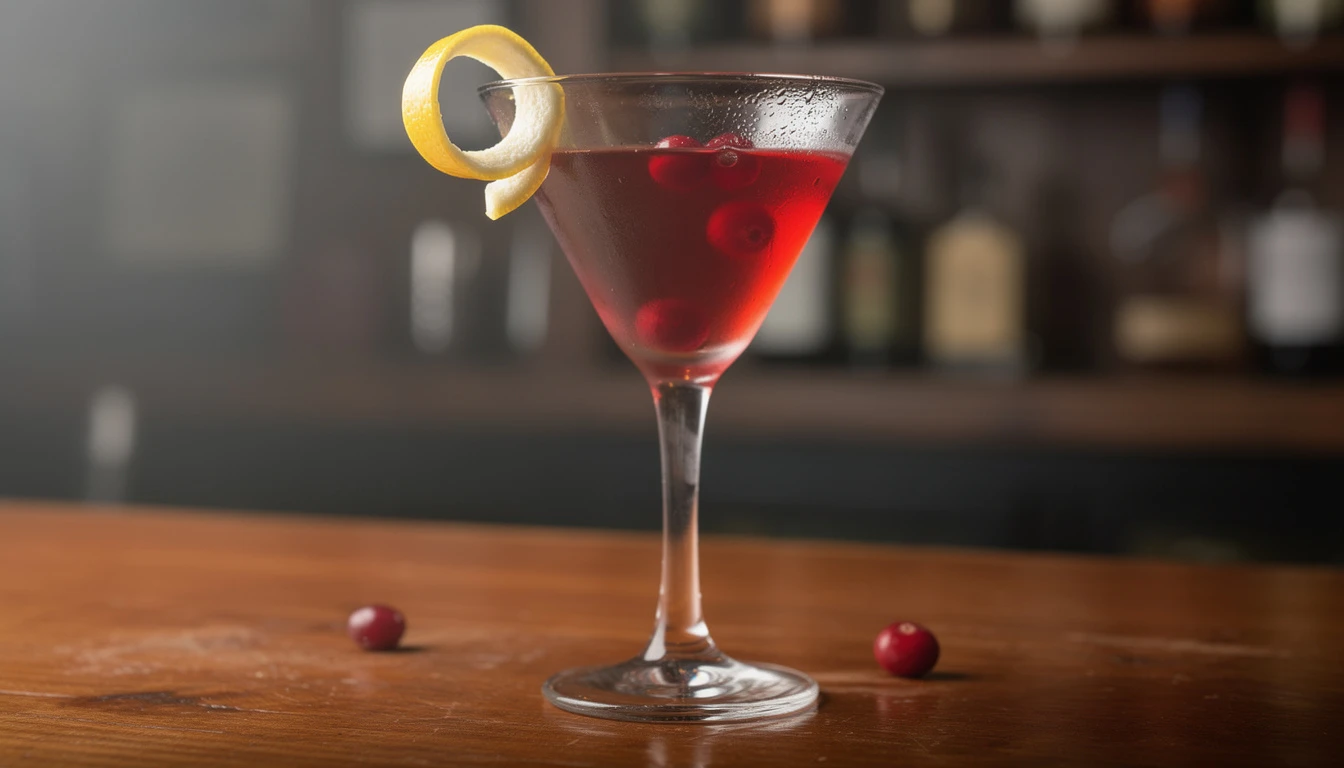
For those seeking a cocktail that combines tangy brightness with sophisticated style, the cranberry martini truly delivers. This colorful creation strikes a playful balance between tart and sweet, quickly earning its place as a favorite at both intimate dinners and energetic gatherings. Its deep red hue and zesty notes ensure it stands out among classics like the cosmopolitan, while still boasting a unique character all its own.
What makes a cranberry martini distinct?
The cranberry martini injects fresh energy into the cocktail scene. While traditional martinis are known for their dry, bracing edge, anyone who prefers fruitier flavors soon discovers this version is worth keeping on regular rotation. The drink’s striking color, courtesy of quality cranberry juice, immediately captures attention even before the first sip.
Although recipes vary, several core ingredients define the experience. Vodka serves as a crisp foundation, allowing other elements to shine, while orange liqueur or triple sec introduces a subtle citrus undertone. Many versions brighten things up with a splash of lemon or lime juice, and a touch of sweetener (syrup or sugar) rounds out the flavor profile. Every ingredient comes alive when shaken together in a cocktail shaker with ice, ensuring a perfectly chilled and integrated result.
How does the cranberry martini compare to similar cocktails?
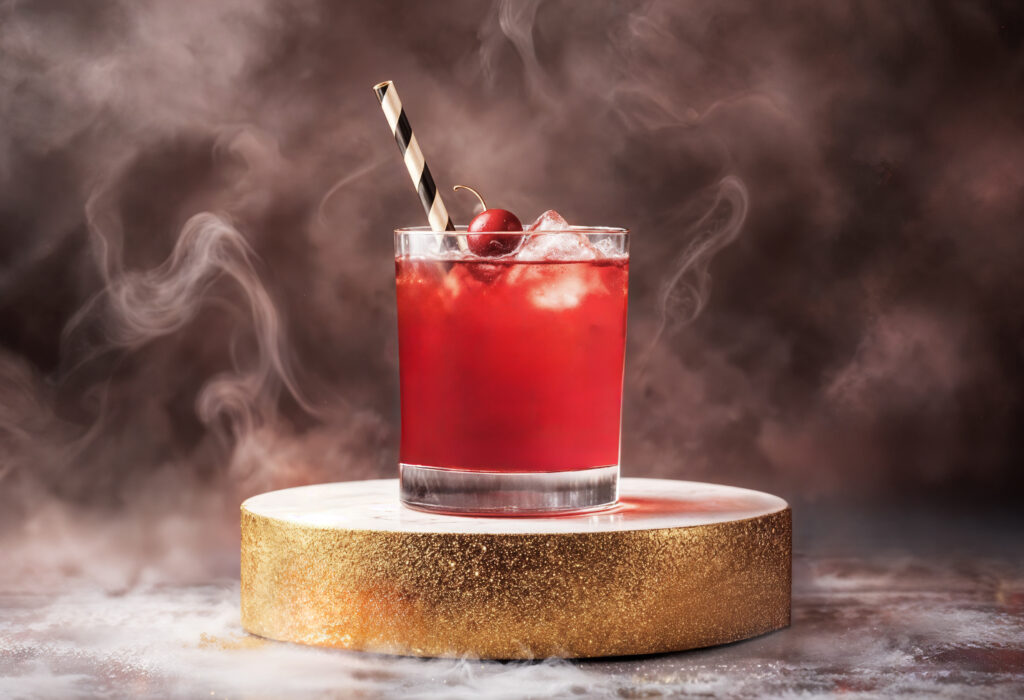
Inevitable comparisons arise when terms like crantini appear on menus, or similarities with the cosmopolitan catch the eye. Yet, the cranberry martini maintains its individuality. Though these drinks share overlapping components, each sets itself apart through distinctive proportions and finishing touches.
Cosmopolitan versus cranberry martini: what changes?
A classic cosmopolitan blends vodka, cranberry juice, orange liqueur or triple sec, and lime juice, resulting in a balanced, pink-tinged cocktail. By contrast, the cranberry martini typically features a larger pour of cranberry juice, amplifying berry flavors and producing a jewel-like intensity. Both benefit from being shaken with ice and served cold, but the cranberry martini often keeps garnishes simple—think floating cranberries or a curl of orange zest for visual flair.
This shift in ratios alters the drinking experience. Where a cosmopolitan leans lighter and more acidic, the cranberry martini comes across as fruitier, tangier, and sometimes just a bit sweeter, depending on the chosen sweetener. There is usually less emphasis on lemon or lime juice compared to the cosmopolitan, allowing the cranberry flavor to take center stage.
Crantini: a variation or just another name?
The term crantini pops up often, especially in North American bars. Some use it interchangeably with cranberry martini, while others argue that the crantini contains less orange liqueur, focusing mainly on vodka and cranberry juice. A little sweetener and citrus usually round out the mix, maintaining balance in every glass. Most differences come down to local habits or serving traditions, yet both options suit anyone searching for a holiday or celebration drink with modern appeal.
Essential ingredients that make the difference
A standout cranberry martini begins with excellent ingredients. Higher-quality spirits and mixers produce more vivid flavors and an overall smoother cocktail. Precise measuring is key to achieving harmony between tartness and sweetness.
- Vodka: Choose a smooth, clean spirit for the best foundation.
- Cranberry juice: Opt for pure juice for intense flavor and true color; blends work if a gentler taste is preferred.
- Orange liqueur/triple sec: These add fragrant citrus notes and a delicate bitterness that complements the berries.
- Lemon or lime juice: Freshly squeezed citrus brings brightness and depth.
- Sweetener (syrup or sugar): Balances tartness for a rounded finish. Simple syrup dissolves easily, while superfine sugar works well too.
- Garnish (cranberries or orange zest): Adds aroma and a final burst of color right before serving.
Keeping the recipe streamlined lets the refreshing zing shine through. Unnecessary extras can dilute the cocktail’s signature vibrancy.
Simple steps to shake up the perfect cranberry martini
Preparing a cranberry martini need not feel daunting. Unlike some vintage recipes that require elaborate techniques, this cocktail comes together in minutes, rewarding even casual efforts. A sturdy cocktail shaker with ice is the essential tool for success.
- Fill the cocktail shaker generously with ice to ensure thorough chilling.
- Add two parts vodka, one part cranberry juice, half a part orange liqueur/triple sec, a splash of lemon or lime juice, and the preferred amount of syrup or sugar.
- Shake vigorously until the mixture is icy cold—about 20 seconds is ideal for full integration.
- Strain into a chilled cocktail glass and finish with a garnish. Floating cranberries look festive, while a twist of orange zest enhances the aroma with every sip.
The transformation happens during shaking, blending flavors and unlocking new aromas for a consistently cool, refreshing texture.
Perfect moments to serve a cranberry martini
The striking appearance of this cocktail instantly evokes festive vibes and celebratory settings. Nothing says holiday or celebration drink quite like a sparkling glass filled with ruby-red liquid. Whether hosting brunch, adding flair to a winter party, or bringing elegance to any event, the cranberry martini fits naturally into any lineup.
This drink’s broad appeal stems from its accessible flavor profile. Those who shy away from strong or bitter cocktails appreciate the fruity, grown-up character. Paired with appetizers or bold entrées, its tangy-sweet blend stands up beautifully to a variety of dishes.
Answers to popular cranberry martini questions
Which type of cranberry juice works best for a cranberry martini?
Purer options provide the most authentic cranberry flavor and brighter color. Unsweetened cranberry juice offers control over sweetness, while sweetened varieties simplify balancing flavors. For best results, avoid juices with added flavors or excess fillers, ensuring a clean, true taste.
- Pure cranberry juice for a sharper, tangier cocktail
- Sweetened blends create milder, softer results
- Organic choices enhance color and overall taste
Can a cranberry martini be prepared ahead of time?
When planning for a crowd, batching is a smart move. Combine all measured ingredients except ice and garnishes, then store covered in the refrigerator. Shake each portion individually with fresh ice and finish with a garnish so every guest receives a freshly mixed cocktail.
- Pre-mix the base in a large pitcher or jar
- Chill thoroughly before serving
- Shake individual servings with ice as needed
Are there ways to switch up a cranberry martini for seasonal flair?
Seasonal twists keep the basic recipe exciting. Try spiced syrup for winter warmth or muddled mint for summer freshness. Swapping blood orange juice for traditional citrus adds both color and complexity.
- Candied ginger garnish creates a warming effect
- Use grapefruit juice in spring for a bright twist
- Sugar rim with cinnamon suits holiday occasions
| Ingredient Swap | Effect |
|---|---|
| Blood orange juice | Deeper color, richer citrus note |
| Fresh herbs | Aromatic accent (mint, rosemary) |
| Spiced simple syrup | Inviting warmth for colder months |
Is vodka essential, or can substitutions be made?
While vodka remains the classic choice for clarity and neutrality, creative hosts sometimes substitute gin for herbal complexity or white rum for a subtle tropical touch. Each alternative slightly changes the drink’s transparency and flavor, offering room for personalization. Any spirit that pairs well with cranberry juice and citrus may be considered.
- Gin – introduces piney, botanical notes
- White rum – imparts gentle sweetness and extra body
- Non-alcoholic alternatives – perfect for mocktail versions