
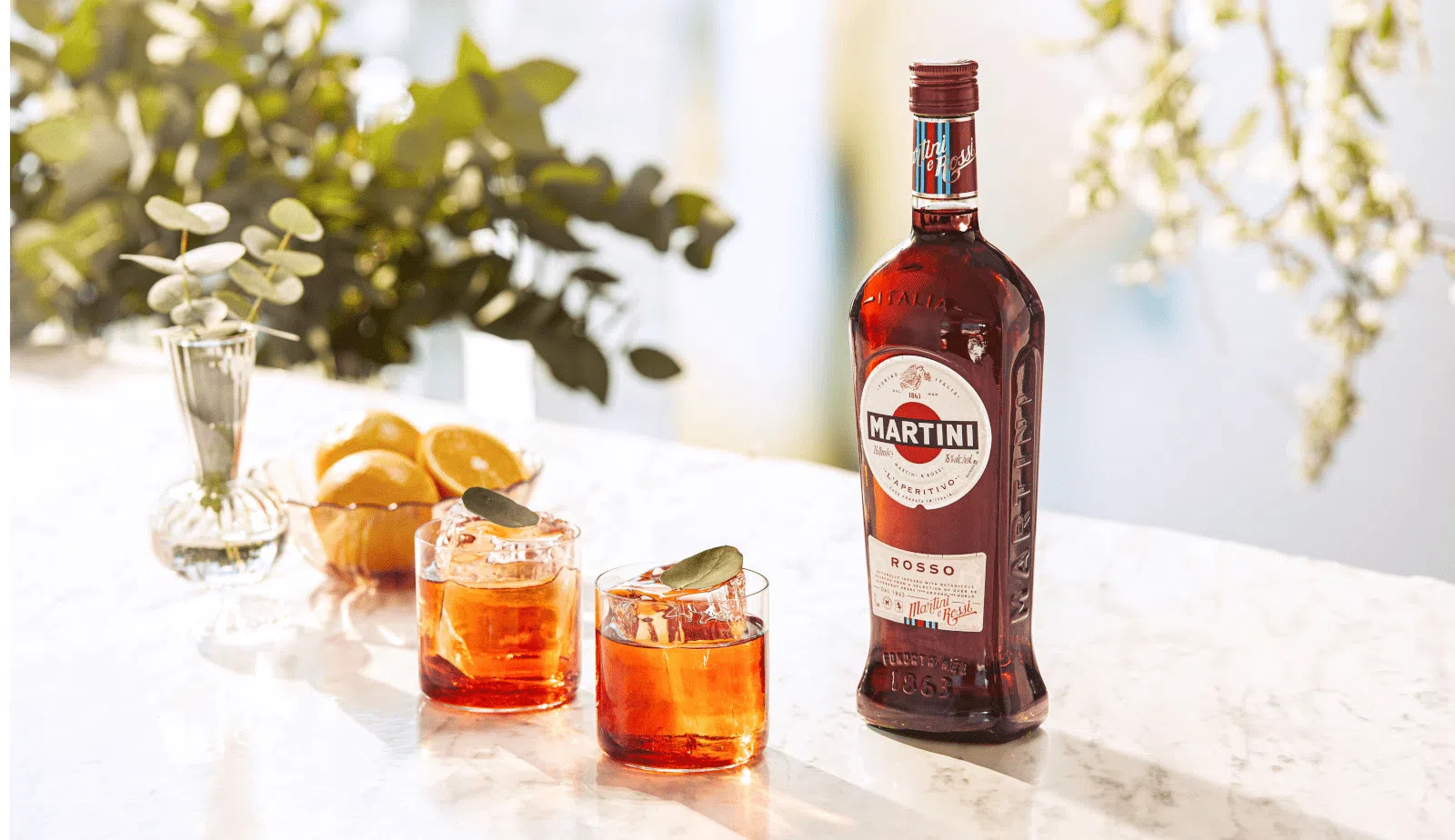
There is something undeniably festive when a glass of sparkling wine graces the table. For those drawn to Italian traditions, exploring what many casually call “martini and rossi champagne” truly means stepping into the vibrant universe of Italian spumante. While genuine Champagne can only hail from France, Italy’s answer delivers its own delicious twist—fruity flavors, delightful bubbles, and unmistakable charm.
The italian origin and essence of spumante
Many discover this iconic bubbly believing it resembles classic champagne, but its roots reach deep into the renowned Asti and Piedmont region of northern Italy. This picturesque area, with rolling hills and sun-soaked vineyards, forms the backdrop for Italy’s favorite sweet wine alternative.
What distinguishes these bottles goes beyond their birthplace. It is also about grape selection. Producers almost always choose moscato bianco grapes—a variety treasured for aromatic complexity and lively sweetness. Enjoying a flute transports one straight to those fragrant Italian hillsides where tradition and innovation blend seamlessly.
How is sparkling wine from asti made?
The technique used in crafting a bottle of Italian spumante sets it apart from other sparkling wines worldwide. Rather than adopting the méthode champenoise, local winemakers often prefer tank fermentation, emphasizing freshness and fruit-forward notes. The result is an accessible drink that brings joy to any celebration without requiring special expertise.
What emerges is not only effervescent but also uncannily aromatic. Instantly, hints of ripe peach, crisp pear, green apple, juicy melon, subtle pineapple, and even grapefruit become noticeable. Each glass feels like a tribute to Italy’s bounty and the expertise behind the prestigious DOCG classification—the highest guarantee of quality and authenticity for wines from the heart of Asti.

The delicious profile: fruity flavors and sweetness
Unlike many dry bubblies, this style appeals to those who appreciate dessert-like nuances in a glass. Naturally aromatic, each pour layers honeyed notes over gentle acidity, creating perfect balance. Whether served solo or paired with pastries and fruit platters, every sip satisfies those seeking indulgence and refreshment combined.
This remarkable flavor profile owes much to the skilled handling of moscato bianco grapes, harvested at peak ripeness. Thanks to cool fermentations and careful preservation of natural sugars, the final product remains delicately sweet yet never cloying—an ideal finish for festive meals or relaxing summer afternoons alike.
Why does the docg classification matter?
The DOCG label (Denominazione di Origine Controllata e Garantita) sets rigorous standards for both geographical origin and production methods. Only sparkling wine produced within the specified area around Asti and respecting traditional techniques earns this coveted stamp. For consumers, spotting a DOCG mark ensures receiving an authentic experience that honors hundreds of years of viticultural artistry.
Maintaining this level of excellence elevates Italy’s reputation as a top source of world-class bubblies. It guarantees consistency in every bottle—from prominent bubbles to captivating scents of orchard fruits and blossoms—that enthusiasts around the globe have come to love and trust.
Celebratory occasions and food pairings
No gathering feels quite complete without a chilled bottle ready to pop open. While some reserve Italian spumante for major milestones, others embrace its versatility during casual dinners or picnics in the park. Whether raising a toast at weddings or savoring sunset aperitifs, the signature gentle fizz complements joyful moments effortlessly.
Versatility extends to its pairing options. Its sweetness and fruit undertones make it a prime candidate for rich desserts, yet it holds its own alongside savory bites too. Cheese boards featuring blue or creamy varieties, roasted nuts, or lightly spicy appetizers all find a wonderful match in a well-chilled glass.
- Fruit tarts and creamy desserts
- Soft cheeses like brie or gorgonzola
- Roasted almonds and cashews
- Fresh berries drizzled with honey
- Pastries filled with custard or mascarpone
Exploring more about this aromatic wine
Curious drinkers searching for alternatives that offer more than just bubbles quickly fall under the spell of Italy’s aromatic wine scene. Italian spumante, crafted from moscato bianco grapes, appeals to both novices and seasoned connoisseurs. Its low alcohol content and naturally sweet character provide universal appeal, making it a staple in countless households throughout the year.
There is an unmistakable sense of heritage captured with each cork pop and pour. From elegant dinner parties to impromptu picnics, there will always be space in the ice bucket for a sparkling celebration from the Asti/Piedmont region.
Essential questions about italy’s iconic sparkling wine
How does Italian sparkling wine differ from traditional French champagne?
Italian sparkling wines, especially those from the Asti/Piedmont region, use different grape varieties such as moscato bianco grapes. Their techniques rely on tank fermentation, resulting in fresher and fruitier flavors compared to the toasty, yeasty notes of Champagne. Unlike French counterparts, which are generally drier, Italian versions tend to be classified as sweet wine or aromatic wine, indulging palates searching for something light and approachable.
- Key grape difference: Moscato bianco (Italy) vs Pinot Noir & Chardonnay (France)
- Sweeter taste and pronounced fruitiness
- Lighter texture and lower alcohol content
Which fruity flavors are commonly found in these sparkling wines?
Expect a spectrum of refreshing fruit notes ranging from ripe peach, juicy pear, and crisp apple to delicate hints of melon and pineapple. Sometimes even subtle citrusy touches of grapefruit appear, enhancing overall complexity and inviting multiple sips.
- Peach and pear dominate first impressions
- Noticeable apple and melon undertones
- Pineapple and grapefruit provide extra zest
What is the significance of the DOCG classification for these wines?
The DOCG classification affirms that each bottle meets strict regulations related to geography and winemaking methods. Wines bearing this label must originate from specific areas—primarily the Asti/Piedmont region—and adhere to traditions ensuring consistent quality. This designation signals authenticity and preserves Italy’s legacy for producing high-standard sparkling wines.
| Feature | DOCG Wine | Non-DOCG Wine |
|---|---|---|
| Origin Control | Yes | No |
| Quality Guarantee | Strict | Variable |
| Traditional Methods Used | Always | Not Always |
Are there recommended serving tips for spumante?
Serve well-chilled between 6°C and 8°C to maximize the beverage’s refreshing qualities and delicate aromatics. Pour gently into slender flutes to preserve bubbles longer. Versatile with foods, this drink works best as an accompaniment to fruity desserts, soft cheeses, or as an apéritif before a meal.
- Chill the bottle before opening
- Open carefully to maintain lively bubbles
- Pair with both sweet and savory dishes