
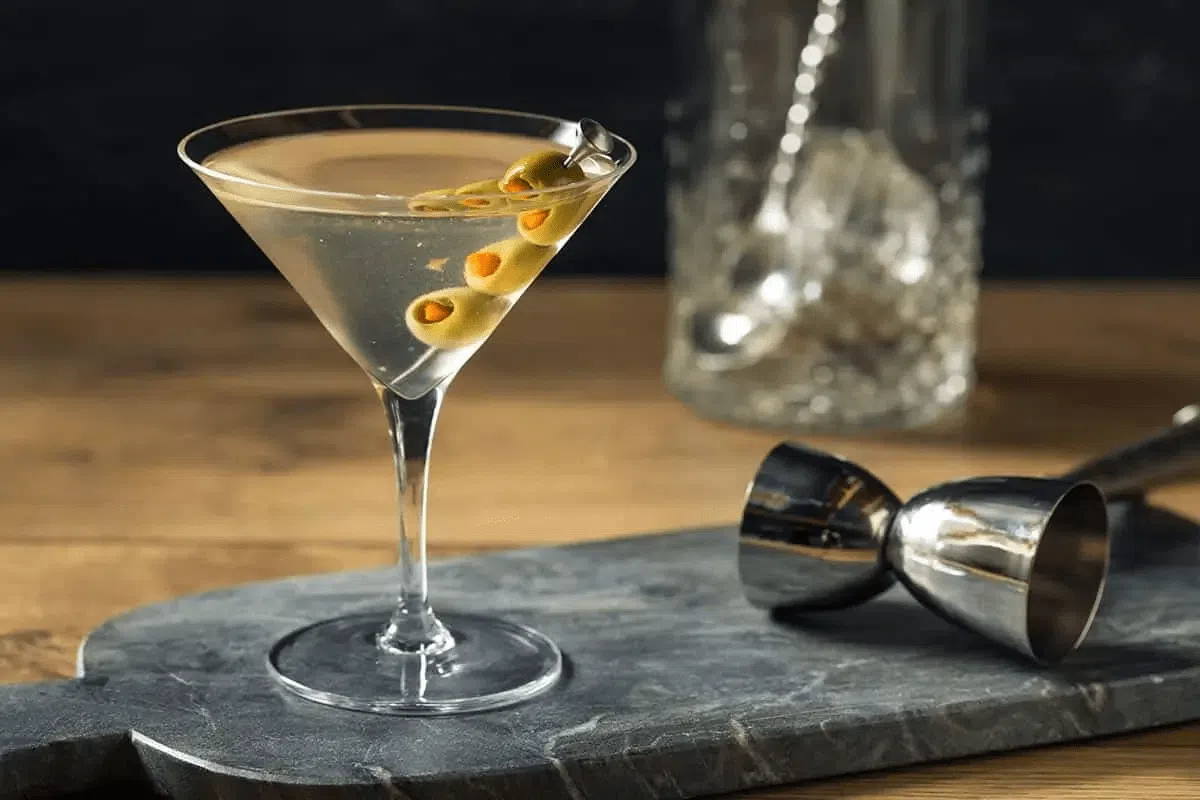
The olive nestled in a martini glass does much more than add a decorative touch. It introduces distinctive flavor, satisfying texture, and unmistakable visual appeal to this timeless drink. Selecting the right martini olives can truly transform the overall experience, allowing each sip to stand out. From classic green olives to specialty options like blue cheese stuffed olives, the choice of garnish is as personal as the preferred gin or vodka. Here’s a closer look at why martini olives matter so much, which types shine brightest, and how these small fruits contribute to the enduring legend of the martini.
Why are olives used as a martini garnish?
Olives have earned their place in martinis for reasons beyond tradition. They deliver a savory note that perfectly balances the dry sharpness of spirits. Adding an olive also brings a hint of sophistication, giving the cocktail its instantly recognizable character. Many enthusiasts believe the gentle release of olive brine elevates the drink’s flavor profile with just the right amount of salinity.
This classic martini garnish complements both gin and vodka versions seamlessly. Olives offer a subtle bitterness and a firm bite, creating a multisensory enjoyment unmatched by simple lemon twists. Whether served at a bar or crafted at home, the ritual of dropping in olives remains central to martini culture.
What types of green olives shine in martinis?
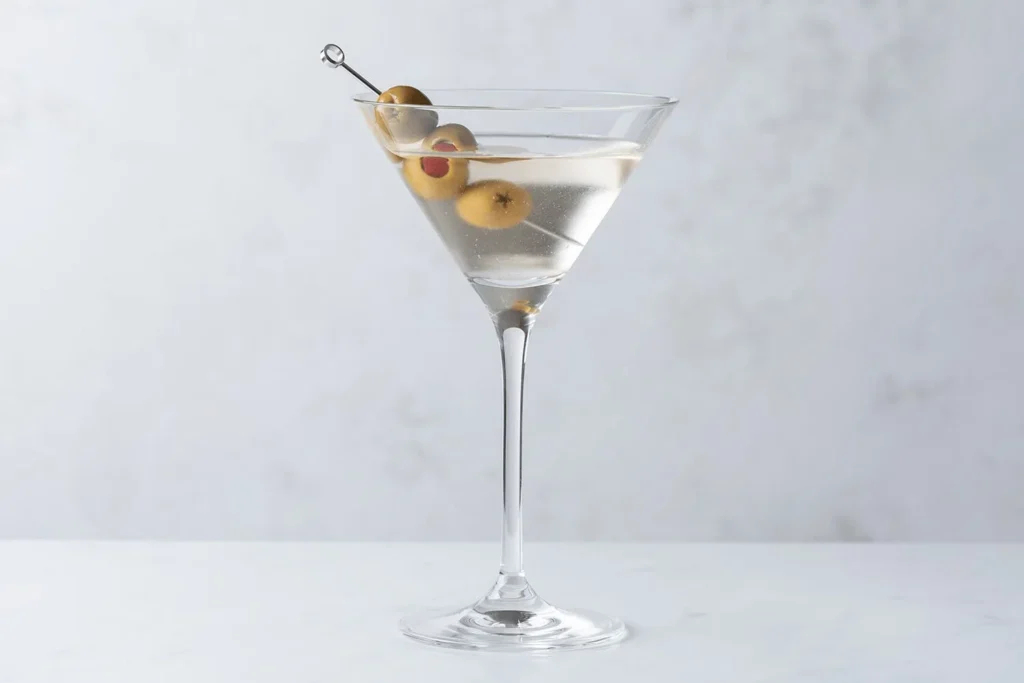
Not all olives are created equal when it comes to perfecting a martini. The specific type chosen can affect everything from taste to mouthfeel. Several varieties of green olives have become favorites among connoisseurs thanks to their unique flavors and appealing appearance.
Spanish olives and manzanilla olives
Spanish olives are cherished for their crispness and versatility, often available pitted or stuffed. Among them, manzanilla olives stand out for their mild, slightly nutty taste and smooth finish. Their delicate flavor pairs especially well with traditional martini recipes, as they effortlessly absorb the notes of vermouth and gin. Both Spanish and manzanilla olives blend harmoniously into the cocktail, never overpowering other elements.
Another advantage of these varieties is their widespread availability and ease of handling. Many bars favor them for their reliability, ensuring the martini remains balanced. Those seeking the most authentic version of this classic will often prioritize Spanish and manzanilla olives as their top choices.
Queen olives and castelvetrano olives
Queen olives offer a larger, meatier bite, ideal for those who prefer a bold garnish. These olives maintain their form on cocktail picks and stay visually striking throughout the drink. For anyone craving robust texture along with balanced saltiness, queen olives rarely disappoint. Stuffed with additions such as garlic or blue cheese, they evolve from mere ornament to a highlight of the martini itself.
Castelvetrano olives bring a unique flair with their vibrant color and exceptionally buttery flesh. Their subtle sweetness and gentle bitterness make them an excellent match for both gin- and vodka-based martinis. While castelvetrano olives might come at a premium, many find their smooth, irresistible taste worth the splurge, especially in craft cocktails.
Stuffed olives: elevating the martini experience
Classic pitted olives certainly have their allure, yet stuffed olives designed for martinis take things up a notch. These olives deliver bold flavors tucked within their briny shells, infusing every sip with bursts of excitement.
Blue cheese stuffed olives
For anyone longing for a creamy, tangy twist, blue cheese stuffed olives provide a decadent upgrade. The assertive flavor of blue cheese enriches the cocktail, bringing complex aromas and a luxurious finish that lingers long after the last drop. In this role, stuffed olives serve not only as garnish but also as a miniature appetizer.
The pairing of blue cheese with gin or vodka may stray from strict tradition, but it has gained traction among modern martini fans. Hosts aiming to impress guests often select blue cheese stuffed olives for their dramatic contrast against the liquor’s dryness.
Garlic stuffed olives and other creative options
Garlic stuffed olives cater to those who appreciate savory depth and aromatic complexity in a cocktail. As the olive sits in the martini, it gradually releases hints of garlic, rounding out the flavors with warmth. This variation can delight guests and intrigue adventurous palates searching for something beyond the standard.
Other imaginative choices include jalapeño, almond, or even anchovy-stuffed olives—each introducing a distinct character, from spicy to umami-rich. Thanks to these endless stuffing possibilities, customizing the martini experience becomes as easy as swapping out the garnish.
How does olive brine influence the drink?
Olive brine, the salty liquid found in jars of martini olives, plays an essential role for fans of the dirty martini. Just a splash of this flavorful solution can soften the spirit-forward edges while enhancing the cocktail’s savoriness. Incorporating olive brine blurs the lines between beverage and savory snack.
Many mixologists recommend sampling different brands and types of brine before choosing a favorite. The levels of salt, tartness, and intensity vary widely, so experimentation is key. Some enthusiasts even create custom brine blends at home, combining the soaking liquids from various green olives to achieve their perfect “dirty” balance.
Ways to serve martini olives for maximum impact
Presentation adds another layer to any expertly stirred or shaken martini. Using olives as a garnish allows bartenders to get creative, turning the first impression into part of the ritual. That finishing flourish—whether one, three, or several olives arranged in a chilled glass—is always intentional. Each detail, from the pick style to the number of olives, helps tell a story about tradition and personal preference.
- Single olive: minimalist, clean look
- Three olives: symbolizing health, wealth, and happiness
- Pitted or stuffed: extra flavor infusion during each sip
- Rinsed or unrinsed: adjusting salt and brine presence in the finished cocktail
Bartenders sometimes spear multiple olives on tall picks for dramatic effect. At-home enthusiasts can experiment with various stuffing combinations or mix several olive types in one serving, adding variety and visual flair. However they are presented, martini olives always remain an essential companion to this iconic cocktail.
Frequently asked questions about martini olives
Which olives are best suited for garnishing a martini?
- Manzanilla olives for classic flavor and consistent size
- Queen olives for larger, bolder bites that hold up on skewers
- Castelvetrano olives for buttery texture and sweet notes
- Spanish olives as a reliable, lightly brined option
The best choice depends on the desired flavor impact and presentation style. Green olives set the standard in most recipes, but exploring different varieties opens the door to new experiences.
What kinds of stuffed olives work well in martinis?
- Blue cheese stuffed olives for rich, tangy creaminess
- Garlic stuffed olives for robust, aromatic kick
- Almond stuffed or jalapeño stuffed options for crunch or spice
Stuffed olives introduce new layers of flavor to each sip. The filling mixes with olive brine, shaping the final character of the cocktail.
Is it necessary to use olive brine in a martini?
Classic martinis do not require olive brine, but adding it creates what is known as a “dirty” martini. Olive brine imparts a pronounced salinity and savory dimension, appealing to those seeking extra complexity and bold olive flavor.
| Type of martini | Brine added? |
|---|---|
| Dry/classic | No |
| Dirty | Yes (customizable amount) |
The amount of brine should be adjusted to suit individual preferences and the desired level of intensity.
Can black olives be used instead of green olives in martinis?
Black olives are rarely selected for martinis. Their milder, sometimes sweet flavor and softer texture lack the briny punch delivered by green olives. Classic recipes consistently call for green varieties due to their firmness and crisp, sharp profile. Although experimenting with black olives may yield interesting results, they drift away from traditional expectations in martini preparation.