
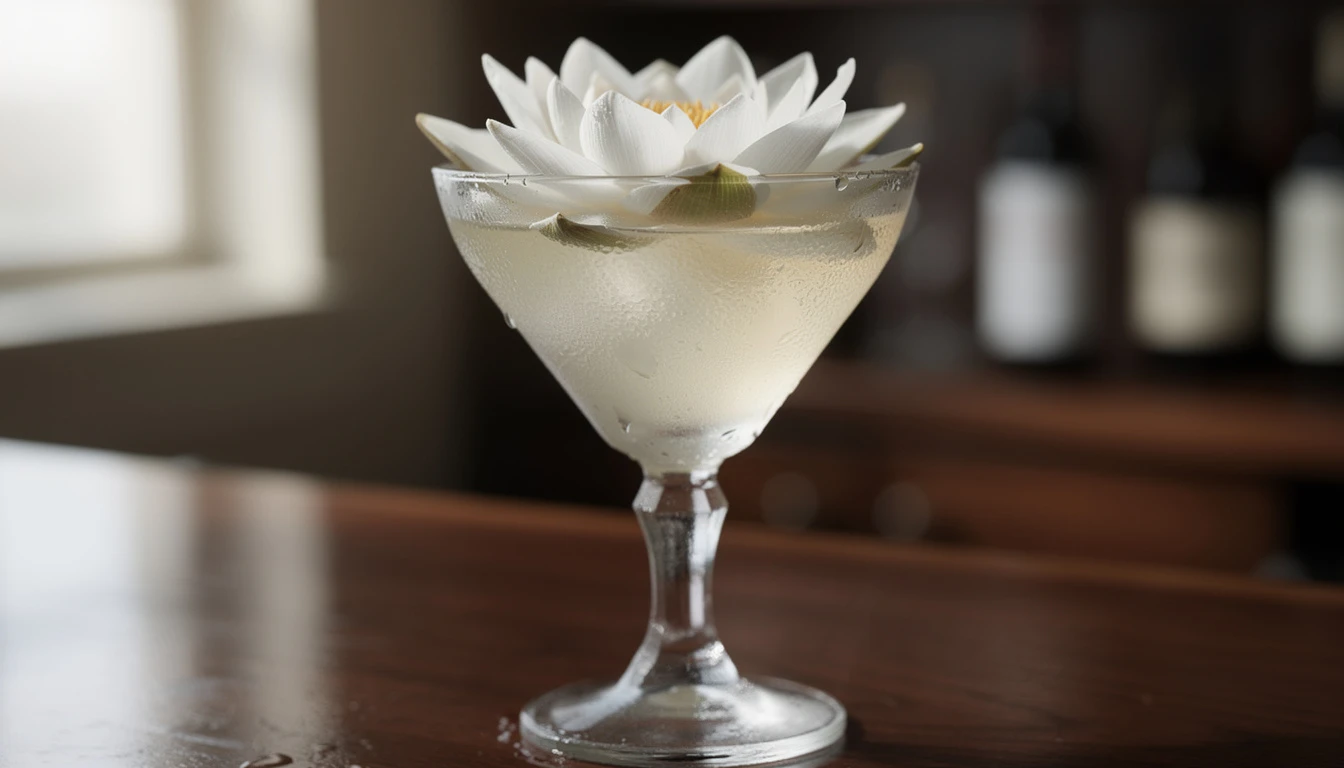
Every so often, a drink makes its way onto bar menus and quickly becomes the highlight of happy hour. At this moment, the white lotus martini is enjoying exactly that kind of limelight. Drawing inspiration from both classic cocktail recipes and tropical influences, this creation offers something genuinely refreshing for anyone seeking to venture beyond the usual vodka or gin choices. Its charm lies in a combination of floral sophistication and an irresistible flavor profile featuring lychee, pineapple juice, and exotic syrups such as mango and coconut. Here’s a closer look at what makes this cocktail stand out—and how one can bring some “white lotus” magic into the next soirée.
The origins of the white lotus martini
The white lotus martini did not originate in a single location; instead, it gained popularity through a global fascination with unique and visually striking cocktails. Frequently compared to the vesper due to its use of both vodka and gin, this modern take replaces harsher spirits with more fragrant, fruit-forward ingredients. As word spread about its balanced layers and the way it elevates familiar flavors like mango syrup or lychee syrup, bars and restaurants were quick to add it to their menus.
This cocktail perfectly captures the trend of east-meets-west mixology by blending Asian-inspired flavors with western preparation techniques. The result is drinks that surprise even seasoned enthusiasts, while remaining straightforward enough to recreate at home.
Key ingredients and flavors
Curiosity about the taste of the white lotus martini is running high. There is no official recipe, but most versions share a handful of key elements. Each ingredient comes together to create a tropical yet tangy martini, rich with lush notes and a subtle herbal undertone provided by thai basil.
One particularly appealing aspect of this cocktail is the flexibility of its base and accents. Traditionalists might gravitate toward vodka or gin—just as they would with a vesper—while others prefer experimenting with everything from fruit syrups to fresh juices.
What brings the “lotus” character?
Despite the name, the true stars are usually a blend of lychee and mango syrups paired with pineapple juice. Lychee contributes delicate sweetness, mingling beautifully with the tartness of pineapple. Syrups such as coconut or mango amplify these flavors, while a splash of lime keeps everything in balance. Fresh thai basil leaves add a gentle, peppery finish that rounds off the experience.
No two bartenders approach the ratios in exactly the same way, making experimentation part of the fun. Some interpretations lean toward a white lotus cocktail rather than a strict martini, especially when additional fruity syrups and herbs come into play.
Choosing between vodka and gin?
Purists may debate the merits of vodka versus gin in refined drinks. The original vesper famously features both. In a white lotus martini, gin introduces subtle juniper notes that complement the fresh and fruity elements, while vodka allows the tropical flavors and floral aromas to shine without distraction.
The choice of spirit can be adjusted according to personal preference or availability. Both options work harmoniously with tropical syrups and garnishes, allowing endless room for creative variations.
How to make a white lotus martini at home?
Creating a white lotus martini at home involves balancing fruit, spirits, and aromatic garnishes. Anyone comfortable mixing basic cocktail recipes will find that once the main ingredients are prepared, shaking up this drink is quick and easy. Presentation also plays a role—serve chilled in a classic martini glass, or try different vessels for added flair.
Preparation is key before guests arrive. Measure out syrups and slice fruits ahead of time, ensuring that assembling each drink is swift and seamless. This advance prep helps keep gatherings relaxed and enjoyable.
Basic recipe instructions
The following proportions work well for one serving and can easily be scaled up:
- 45 ml vodka or gin (choose boldly or combine)
- 20 ml lychee syrup (or muddled lychees for extra texture)
- 15 ml pineapple juice for brightness
- 10 ml coconut or mango syrup (adjust to desired sweetness)
- Optional: 10 ml lime juice for added zest
- Several thai basil leaves
- Ice cubes, martini glass, fruit or herb sprig for garnish
Add vodka or gin to a shaker filled with ice. Pour in the lychee and coconut syrups, followed by pineapple juice and a splash of lime if preferred. Toss in thai basil leaves. Shake vigorously, then strain into a chilled glass. Finish with an extra lychee or a sprig of thai basil for a stunning presentation.
Tweaks and customizations
Much of the white lotus martini’s appeal stems from its adaptability. Those who favor bolder fruit flavors sometimes double the mango syrup or add muddled fresh fruit. For greater complexity, consider a dash of elderflower liqueur or swap in flavored vodka for deeper nuance.
Do not overlook the garnish—edible flowers or skewered lychees elevate the visual impact and offer a sensory hint of what’s in store with each sip.
Serving tips and pairing ideas
Impressing guests starts with treating this showstopper like a dessert course. Serve the white lotus martini as an aperitif, or pair it thoughtfully with appetizers that highlight its tropical flair. The cocktail pairs beautifully with spicy dishes, sushi, or anything featuring citrus or ginger.
When planning a tasting menu or small-plate gathering, select side dishes that echo the refreshing notes found in mango, lychee, and pineapple. This creates a harmonious experience from first sip to final bite.
- Spicy shrimp skewers with sweet chili glaze
- Mango salsa crostini
- Edamame with sea salt
- Coconut macarons or pineapple sorbet
Choose glassware that best highlights color and aroma. Ice-cold martini glasses showcase the cocktail’s cloudiness and soft golden tones, while coupe glasses give delicate garnishes plenty of space to stand out.
Frequently asked questions about the white lotus martini
What makes the white lotus martini different from a standard martini?
The white lotus martini stands apart mainly because of its tropical flavors, such as lychee, pineapple juice, and specialty syrups like coconut or mango. Unlike the classic martini or vesper made solely with spirits, this variation delivers a fruit-forward and slightly sweet experience, balanced by fresh herbs including thai basil.
- Floral and fruity syrups provide depth
- Pineapple and lychee deliver distinct aromatics
- Can be crafted with either vodka or gin
Can alternatives substitute lychee syrup or fresh lychee?
Substitutions are possible if lychee is unavailable. Consider using white grape juice, pear nectar, or even apple juice in moderation to mimic lychee’s sweetness and fragrance. Adjust sugar content or acidity with lemon or lime juice as needed to maintain balance in the martini.
- White grape juice
- Pear nectar
- Lightly sweetened apple juice
Is the white lotus martini considered strong or mild?
The strength depends largely on how much vodka or gin is used versus fruit juices and syrups. A higher proportion of spirits produces an intensity similar to traditional cocktails, while increasing the amount of syrup or juice results in a milder, more approachable beverage suited for leisurely sipping.
| Style | Approximate ABV |
|---|---|
| Spirit-heavy | 30–35% |
| Fruitier/milder | 18–25% |
How should the white lotus martini be served for best results?
Chill the chosen glassware beforehand to ensure the drink remains cold. Always shake with fresh ice and strain thoroughly so the final pour looks clear and enticing. Complete the presentation with a decorative garnish, such as a skewer of lychee, a citrus peel curl, or a sprig of thai basil for added aroma and style.
- Pre-chilled martini or coupe glass
- Shake—not stir—for optimal mouthfeel
- Eye-catching garnish for a finishing touch