
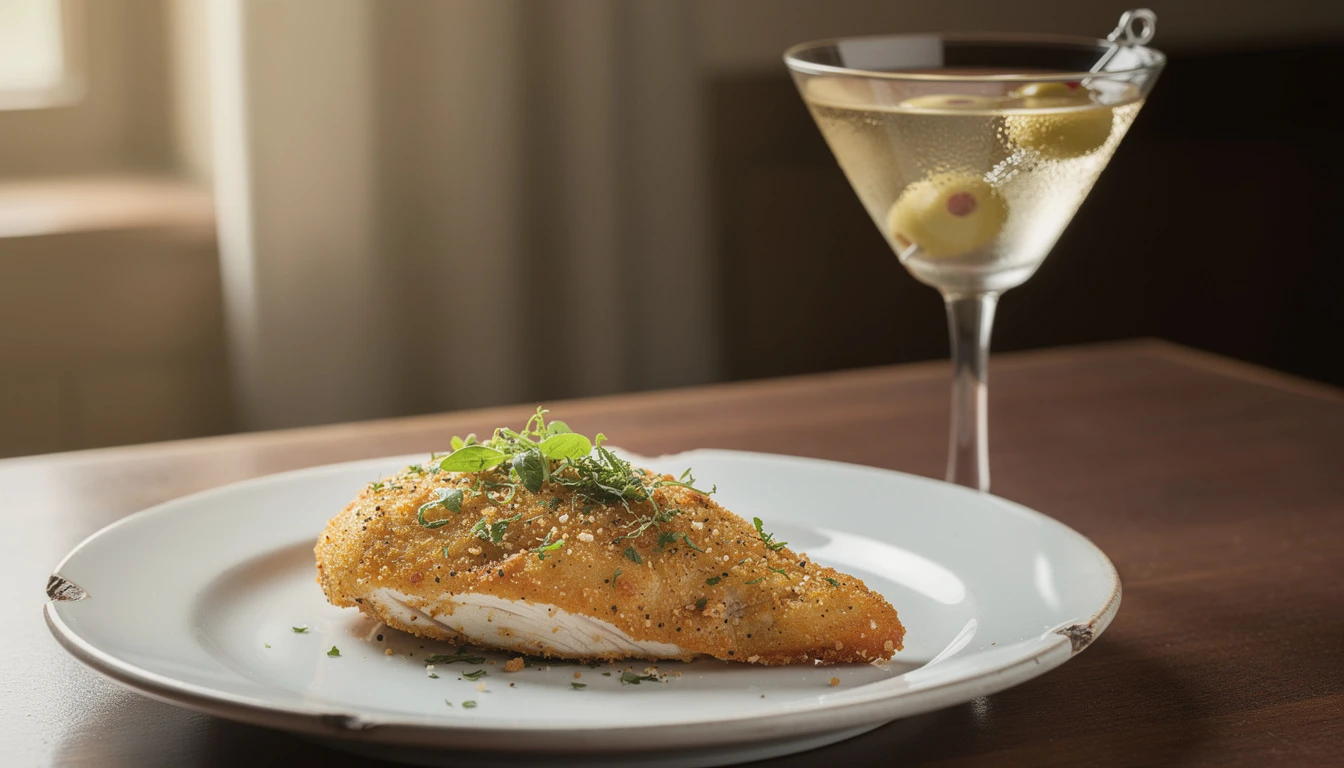
The chicken martini may seem like an unexpected combination, yet it has earned a special place among fans of Italian American cuisine. This dish fuses flavors reminiscent of the iconic martini cocktail with juicy chicken, resulting in a meal that impresses with both boldness and refinement. Chefs frequently reinterpret the recipe, adding their own flair with ingredients such as vodka or martini-style alcohol, white wine or vermouth, and a variety of fresh garnishes. Explore what sets this recipe apart, how to craft it step by step, and why it continues to spark conversation.
What is chicken martini?
At first glance, chicken martini might appear to be just another breaded chicken recipe. However, it goes far beyond ordinary fare. Instead of the usual tomato-based sauces, this entrée draws inspiration from classic cocktails, merging the familiar comfort of Italian American cooking with contemporary restaurant style.
The choice between chicken breast or thighs significantly influences the final result. While chicken breast provides a leaner, lighter option, using thighs delivers extra moisture and deeper flavor. Both cuts become truly exciting when paired with the martini-inspired sauce, offering a delightful experience for any palate.
Ingredients that define chicken martini
Every memorable chicken martini starts with thoughtfully selected ingredients. Each component builds layers of flavor that enhance the main protein. The preparation typically begins with a coating of flour and breading, creating a crisp exterior before moving on to lively sauces and toppings.
Parmesan cheese often plays a starring role, bringing a salty creaminess that complements garlicky notes and bright acidity from a splash of lemon or a citrus garnish. The dynamic interplay of these elements keeps every mouthful vibrant and satisfying.
The essential sauce base
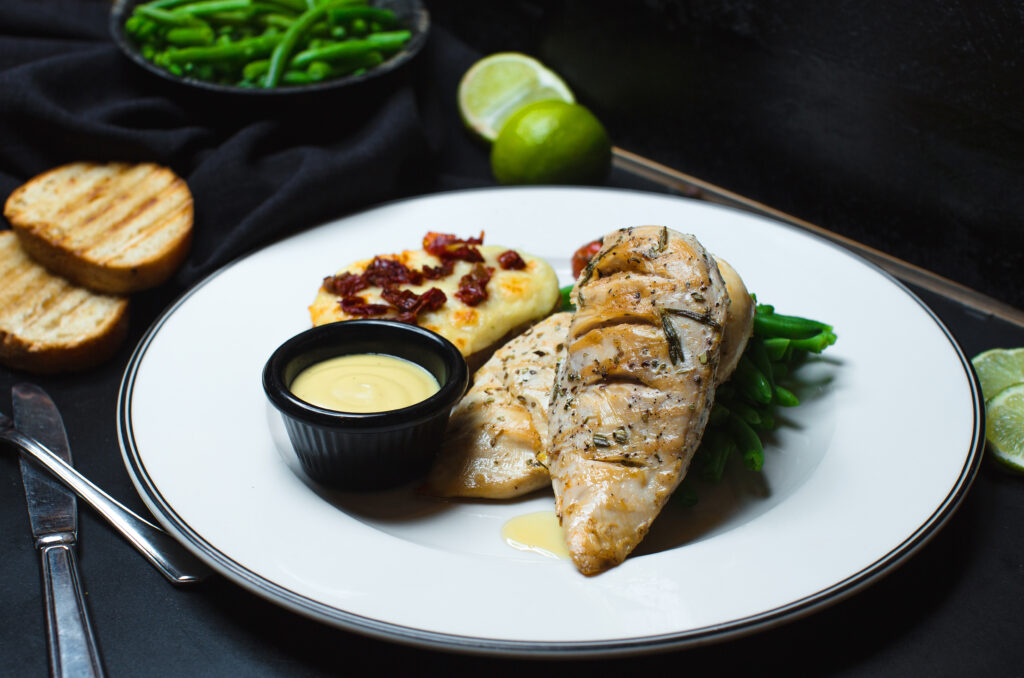
What truly distinguishes chicken martini from other breaded dishes is its signature sauce. Chefs usually rely on white wine or vermouth to establish a fragrant foundation. Some prefer to intensify the flavor with vodka or another martini-style alcohol, introducing subtle aromatics and a touch of warmth. These liquids meld with pan drippings, forming a silky reduction that beautifully coats the chicken.
Finishing touches like fresh parsley, along with garlic and onion, infuse the sauce with freshness and savory depth, highlighting the richness of the entire dish.
Classic ways to finish the dish
To reinforce the martini theme, many chefs top their chicken martini with olives or castelvetrano olives and a generous sprinkle of chopped parsley. Castelvetrano olives, in particular, provide gentle brininess without overwhelming the other flavors, ensuring perfect balance.
An additional signature accent comes from a thin slice of lemon or a lemon twist. Not only does this garnish add visual appeal, but it also brings a refreshing zest that lifts the sauce and balances the richness of the cheese and breading.
How to prepare chicken martini at home?
Preparing chicken martini requires some patience, but each stage introduces new dimensions of flavor. Many home cooks develop their own methods, whether through unique breading, creative choices of martini-style alcohol, or inventive finishing touches.
This dish adapts easily to available ingredients and different dietary needs. For instance, alternating between chicken breast or thighs changes the texture, while experimenting with various spirits leads to countless personalized variations.
Step-by-step guide
Begin by gently pounding the chicken breast or thighs to achieve even thickness. Proper seasoning ensures flavorful results. Next, dredge the pieces in flour and breading, sometimes mixed with finely grated parmesan cheese, to create a golden, crispy crust.
Sauté the coated chicken until it develops a rich color, then deglaze the pan with white wine or vermouth. This step releases the flavorful bits from the skillet and forms the base for the martini-style sauce. Incorporating vodka or a similar spirit adds complexity and a subtle nod to the cocktail inspiration.
Finishing touches and serving ideas
Introduce sliced garlic and onion to the pan, allowing them to release their fragrance. Add broth or water as needed and let everything simmer until the sauce thickens. Finish with a handful of fresh parsley and more parmesan cheese for a burst of color and robust taste.
Do not skip the garnishes—whether topping with olives or castelvetrano olives, placing a lemon wedge on the side, or twisting a strip of lemon peel over the plate. Sides such as buttered noodles or roasted vegetables complement the flavors and complete the meal.
- Pound chicken breast or thighs evenly
- Dredge in flour, breading, and parmesan cheese
- Sauté until crispy and golden
- Deglaze pan with white wine or vermouth
- Add vodka or martini-style alcohol for complexity
- Finish sauce with garlic, onion, and parsley
- Serve with olives, lemon, and extra cheese
Pairings and variations that inspire creativity
Chicken martini works equally well for relaxed family dinners and festive occasions. Bright vegetable sides and herbed grains amplify the tangy and savory qualities of the main course, making each bite more interesting.
For those seeking new tastes, try using flavored vodkas, artisan vermouths, or alternative cheeses. Families often appreciate a gentler version featuring just white wine and extra parmesan cheese, omitting stronger spirits for milder palates.
Why breading matters?
The success of chicken martini hinges on careful preparation of the flour and breading mixture. If the coating is too thick, it can overshadow the dish; if too thin, it will not stand up to the sauce. Parmesan cheese boosts both flavor and texture, helping maintain a crisp crust during cooking.
The contrast between the crunchy exterior and the luscious sauce defines the dish, making each forkful feel simultaneously familiar and novel—a true hallmark of innovative Italian American cuisine.
Refreshing takes on garnishes
Many chefs embrace creativity, so expect playful presentations. Lemon slices or an eye-catching lemon twist instantly draw attention, while olives or castelvetrano olives reinforce the martini motif.
A final scatter of fresh herbs like parsley enlivens the plate and keeps the dish visually appealing. Bold flavors, vivid colors, and intriguing textures ensure that chicken martini always stands out at the table.
Questions about chicken martini answered
Which is better to use for chicken martini: breast or thighs?
Both chicken breast and thighs offer distinct advantages. Chicken breast feels lighter and cooks quickly, staying tender with proper attention. Thighs deliver greater richness and juiciness, holding up especially well under bold sauces. The choice depends on personal preference for texture and flavor.
- Chicken breast: lean and quick-cooking
- Chicken thighs: richer and more succulent
Can vodka or vermouth be substituted in the recipe?
Vodka or vermouth add the characteristic martini-inspired touch, but substitutions are possible. Dry white wine offers similar brightness and acidity. For an alcohol-free version, low-sodium chicken broth creates a flavorful sauce without spirits.
- Vodka: clean, subtle flavor boost
- Vermouth: herbal and gently sweet
- White wine: bright and fruity notes
- Broth: for non-alcoholic version
What are the best garnishes for an authentic chicken martini?
Traditional garnishes include green olives or castelvetrano olives placed directly atop the finished dish. Lemon slices, wedges, or a striking lemon twist underscore the martini influence. A final flourish of parsley and extra parmesan cheese rounds out both flavor and appearance.
- Olives or castelvetrano olives
- Lemon twist or wedge
- Chopped parsley
- Grated parmesan cheese
What side dishes pair well with chicken martini?
Light pastas such as linguine or angel hair tossed in olive oil make ideal companions. Roasted vegetables like asparagus, zucchini, or bell peppers bring freshness and color. For comforting options, creamy polenta or seasoned risotto always pleases.
| Side Dish | Best Qualities |
|---|---|
| Linguine | Absorbs sauce, neutral base |
| Roasted asparagus | Crisp, seasonal, colorful |
| Creamy polenta | Comfort food, satisfying |