
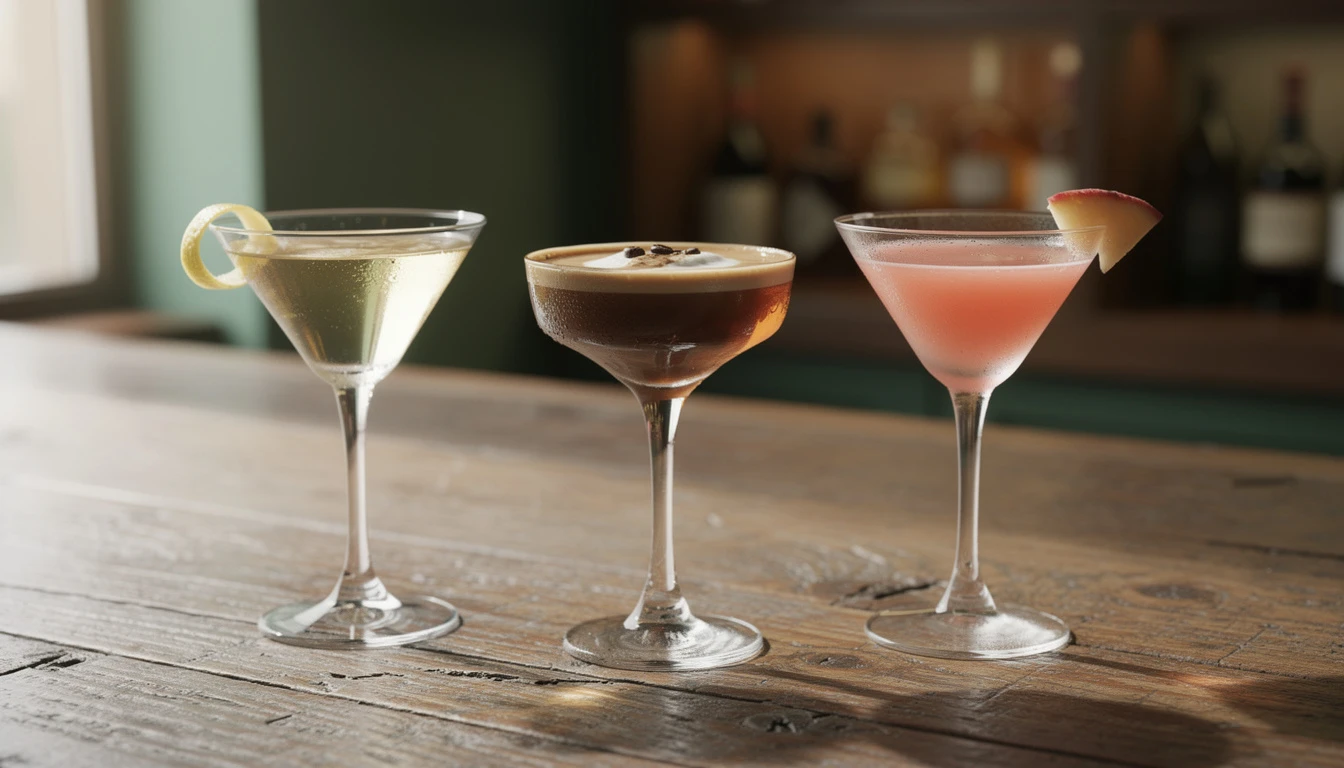
Mentioning the word martini instantly conjures images of an elegant glass, a crisp cocktail, and unmistakable sophistication. Yet this iconic drink extends far beyond a single recipe. Over the decades, creative mixologists have introduced unique twists, crafting variations that suit every palate. Understanding the different types of martini can open up a world of options for any mood or gathering.
What is a martini?
A martini stands out for its simplicity and perfect balance. Traditionally, it features gin and dry vermouth, delivering both aromatic complexity and a clean finish. Its popularity has sparked countless adaptations, ranging from subtle ingredient shifts to bold new flavor profiles. Exploring these versions showcases just how versatile a martini truly is, making each tasting an adventure in itself.
From the very first sip, enthusiasts appreciate a martini’s refined character—a drink equally at home during relaxed evenings or lively events. This adaptability keeps the cocktail firmly established as a favorite among bartenders and home mixologists alike.
The timeless charm of the classic martini
The classic martini holds its legendary status for good reason. By blending gin with vermouth and finishing with a lemon twist or olives, this cocktail delivers pure, balanced flavors. Whether served straight up or over ice, its presence in bars worldwide speaks to its lasting appeal.
While the preparation appears straightforward, even small details—such as a thoroughly chilled glass or a fresh garnish—can elevate the drinking experience, setting the stage for that anticipated first sip.
Differentiating martini styles: dry, wet, dirty, perfect and more
Martinis continue to evolve, adapting to shifting tastes in strength, texture, and complexity. Sampling just a few styles reveals surprising depth within what might seem like a simple cocktail category.
What defines a dry versus a wet martini?
A dry martini uses less vermouth and more gin, resulting in a sharper, more botanical profile. Often, bartenders add only a splash—or merely rinse the glass—with vermouth, letting the juniper-forward notes shine. The term “dry” refers to both the reduced vermouth and the overall dryness on the palate.
In contrast, a wet martini includes more vermouth, which softens the cocktail’s edges and delivers a smoother, lighter mouthfeel. This style appeals to those who prefer harmony between spirits, where neither the gin nor the vermouth overwhelms the other.
Going bold with a dirty martini or a filthy martini
Certain connoisseurs seek out briny, savory characteristics that traditional martinis do not offer. Enter the dirty martini, which incorporates olive brine into the mix, changing both the color and the taste by adding a salty dimension. For those craving even more intensity, increasing the amount of brine and loading up on olives results in the playful filthy martini, known for its robust kick.
These bold styles evoke Mediterranean evenings and pair beautifully with snacks such as cheese or nuts, making them ideal choices for social occasions that call for something distinctive.
Exploring sweet and perfect martini options
A sweet martini takes a different approach by using sweet vermouth instead of dry, creating a rounder, mellow finish. A cherry often replaces the standard olive garnish, highlighting the blend of herbal and sugary elements.
For those seeking true equilibrium, the perfect martini combines equal parts sweet and dry vermouth with gin, resulting in exquisite balance. Here, neither bitterness nor sweetness dominates, allowing all ingredients to harmonize and deliver unexpected depth.
Alternative bases and creative takes
Although gin is the traditional base for a martini, modern interpretations embrace a variety of spirits and inventive flavors. Swapping out the foundation or introducing unconventional accents makes the martini landscape richer than many might expect.
Vodka martini: a contemporary icon
Many aficionados favor the clean neutrality of vodka over gin’s botanicals. Substituting gin with vodka creates the vodka martini, offering a silky-smooth sip and quickly becoming the top pick for those who value subtlety. This adaptation rose to fame through pop culture, earning its place in films and literature as well as trendy lounges.
The vodka martini provides an adaptable base for diverse garnishes—from citrus zest to tangy pickles—encouraging experimentation while preserving its signature elegance.
Espresso martini: where cocktail meets coffee
Coffee lovers and night owls unite for the espresso martini, a delicious fusion of vodka, espresso, and coffee liqueur. Though not a traditional martini, it borrows the structure and allure of the classic, featuring a foamy top layer and rich, dark undertones beneath.
This striking option is a staple for closing dinner parties in style or serving as a sophisticated dessert drink. It brings a jolt of energy to late-night gatherings, combining wakefulness and pleasure in every glass.
- Classic martini: gin and dry vermouth, garnished with olives or a lemon twist
- Dry martini: minimal vermouth, pronounced juniper flavor
- Wet martini: higher vermouth content, softer mouthfeel
- Dirty martini: olive brine adds saltiness and complexity
- Filthy martini: extra brine and abundant garnishes
- Sweet martini: sweet vermouth and a cherry garnish
- Perfect martini: a blend of sweet and dry vermouths
- Vodka martini: vodka replaces gin for a crisp result
- Espresso martini: vodka, espresso, and a hint of sweetness
- Gibson martini: classically styled, finished with pearl onions
Frequently asked questions about martini variations
How does a gibson martini differ from the classic martini?
The main difference lies in the garnish. While the classic martini typically features an olive or lemon twist, the gibson martini swaps this for pickled pearl onions. This subtle change introduces a sweet-and-sour note, yet leaves the gin and vermouth ratio unchanged.
- Classic garnish: olive or lemon twist
- Gibson garnish: pickled onion
Which martini style is best for someone who likes bitter drinks?
Those who enjoy pronounced bitterness may prefer a dry martini or a perfect martini. The extra gin found in a dry martini highlights bold, sometimes bitter botanicals. Meanwhile, the perfect martini’s combination of both vermouth types ensures balance without tipping toward sweetness.
- Dry martini: sharper, more botanical
- Perfect martini: balanced, bittersweet character
Is it possible to make a martini entirely alcohol-free?
Yes, one can enjoy a non-alcoholic martini by using alcohol-free spirits alongside mock vermouth alternatives. These substitutes replicate the flavor and mouthfeel of the original martini, but without any alcohol. Many brands now create botanical blends specifically designed for zero-proof cocktails.
- Select a non-alcoholic gin or vodka alternative
- Add a zero-proof vermouth substitute
- Shake or stir, then serve in a chilled martini glass
- Finish with the classic garnish of choice
What food pairs well with martini cocktails?
Martinis are excellent when paired with salty and umami-rich appetizers. Classic companions include marinated olives, smoked salmon, oysters, and canapés. Sweeter martini styles complement fruit-based desserts, while brinier versions enhance savory bites.
- Cheese platters
- Stuffed mushrooms
- Charcuterie boards
- Crackers with dips
| Martini type | Suggested pairing |
|---|---|
| Classic/Dry/Wet | Seafood bites |
| Dirty/Filthy | Pickles and charcuterie |
| Sweet/Espresso | Berries and chocolate treats |