
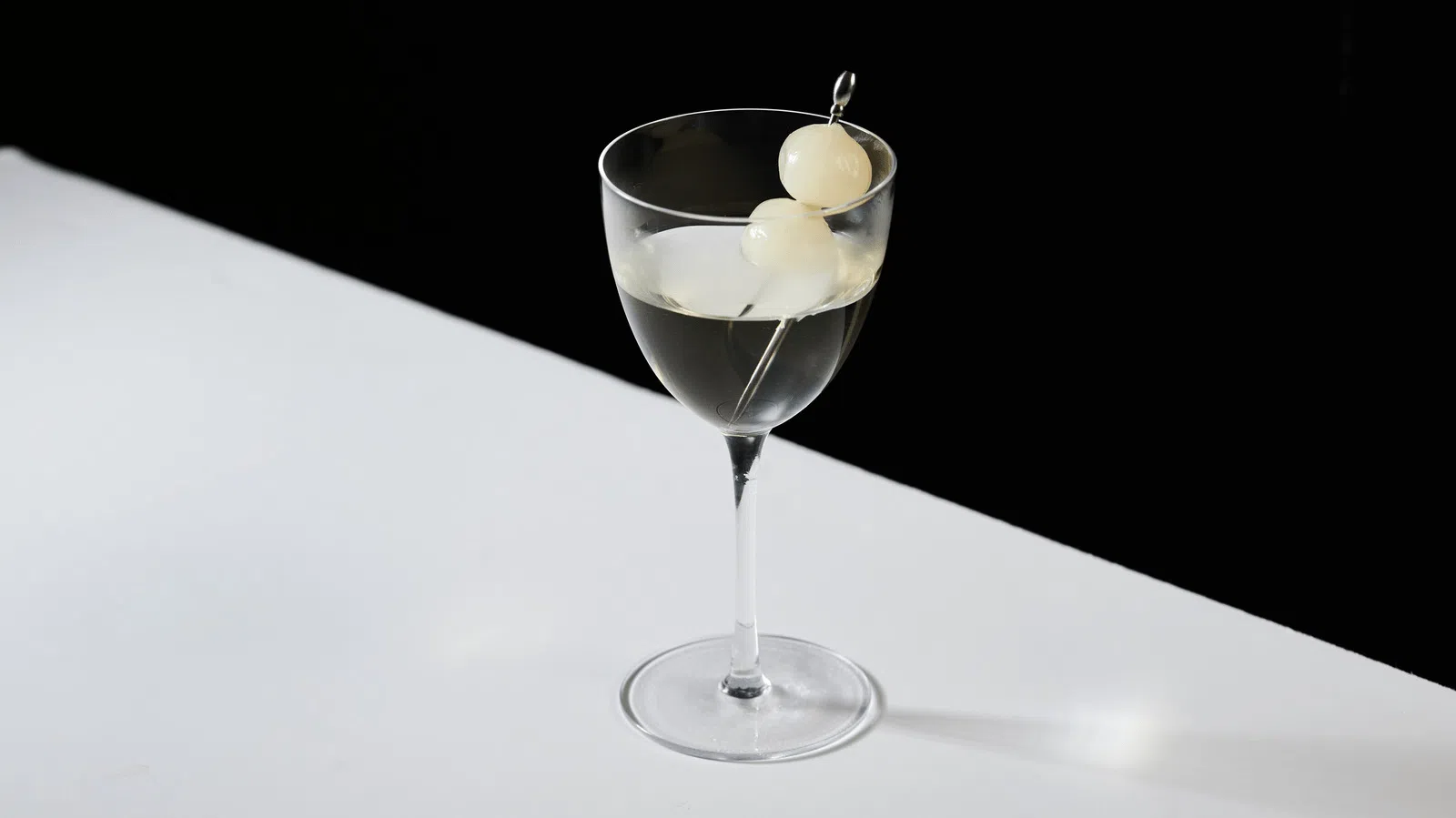
Exploring the world of cocktails often means venturing beyond the standard martini, and the Gibson cocktail is a shining example. This classic cocktail stands out thanks to its signature pickled onion garnish, offering an unexpected twist that distinguishes it from other martini variations. With its crisp profile and simple recipe, this drink has carved out a unique spot in the landscape of mixed drinks. Discover what gives the Gibson its charm and how anyone can master it at home.
The origins and allure of the Gibson cocktail
Each classic cocktail comes with its own story, but few spark as much debate as the Gibson. Its origins remain mysterious, with several tales vying for authenticity. Some suggest it was invented by a clever businessman seeking a non-alcoholic edge during business lunches, while others believe bartenders experimenting with garnishes before Prohibition brought it to life. Despite these competing theories, the enduring appeal lies in the Gibson’s distinctive style and symbolism.
The true character of the Gibson emerges through its iconic cocktail onion. Unlike the olive or lemon twist found in many drinks, the pickled onion changes both aroma and taste. Whether served in upscale bars or crafted at home, choosing this garnish shows a respect for both tradition and creativity. Each sip delivers notes of gin balanced by dry vermouth, finished with that unmistakable briny accent from the onion.
Breaking down the simple recipe and preparation
Crafting a Gibson does not demand professional bartending skills. The secret lies in respecting its balanced proportions, selecting quality ingredients, and using a gentle mixing/stirring method. Here are the essentials needed to create this beloved martini variation:
- High-quality gin
- Dry vermouth or french vermouth
- Cocktail onion (the signature pickled onion garnish)
- Plenty of ice
- A mixing glass and strainer
Each component is easy to find and simple to use, making the Gibson accessible even for beginners. Those new to cocktail making will find that sticking to these basics ensures consistent results every time.
Traditional mixing and stirring method
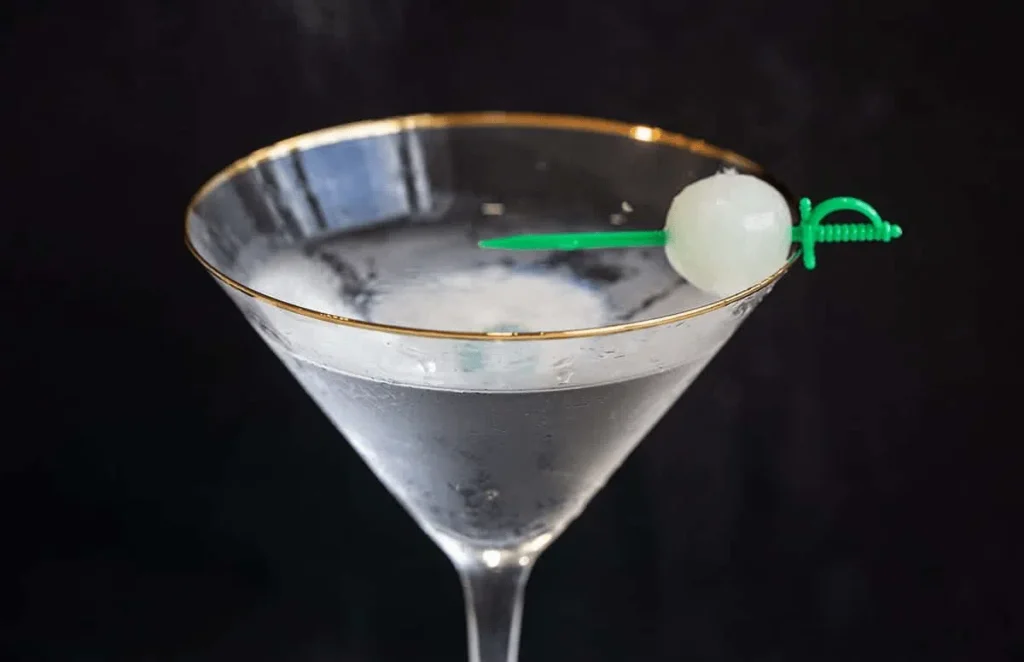
The Gibson always calls for stirring, never shaking. Stirring preserves the clarity and smoothness of the drink, avoiding unnecessary dilution or bubbles. To prepare, fill a mixing glass with ice, add gin and dry vermouth, and stir until thoroughly chilled. Strain into a cold martini glass and finish with a cocktail onion garnish, either placed delicately on top or skewered for presentation. This approach honors traditional recipes and emphasizes the base spirits’ subtlety.
This method draws out the delicate aromatics of the gin and leaves the finished cocktail brilliantly translucent. Bartenders know that careful stirring—not vigorous shaking—brings clean flavors and maintains the visual elegance that defines the Gibson.
Choosing between dry vermouth and french vermouth
While dry vermouth is standard in many martinis, some enthusiasts prefer french vermouth for its refined herbal qualities. Both options fit well, but slight differences in region and blend can influence the final taste. Experimenting with different fortified wines adds complexity, yet simplicity remains essential for those who cherish the original Gibson spirit.
For a slightly rounder mouthfeel and a touch more sweetness, adding a bit more vermouth is possible. Gently stirred with gin, this balance lets the pickled onion garnish shine. Vermouth should enhance, not overpower, the botanical depth of the spirit chosen.
Flavors and the unique experience of a pickled onion garnish
The Gibson offers a tasting journey distinct from other martini siblings. Gin provides a backbone of juniper, botanicals, and floral notes, while dry vermouth introduces subtle grassy and lightly bitter elements, balancing sharpness and softness with each sip.
When the cocktail onion enters the mix, everything shifts. Its tangy, vinegary bite seeps into the liquid, replacing the usual olive richness with a crisp snap. Unlike citrus twists or olives, the pickled onion brings a savory freshness that cleanses the palate after every mouthful. For many aficionados, this element makes the Gibson truly irresistible.
Why choose a Gibson over other martini variations?
Countless martini variations exist, but the Gibson stands out for its balance of simplicity and sophistication. It highlights contrast—a hint of vegetal sweetness from the onion against the boldness of gin. This trio is ideal when a lighter, drier drink is desired instead of something fruitier or spicier like the dirty martini.
Seasoned patrons often order a Gibson to subtly express their preference for thoughtful, understated combinations rather than flashy or overly elaborate mixes.
The social aspect of sharing a Gibson cocktail
Serving a tray of cold Gibsons instantly adds charm to any gathering. Watching guests try the cocktail onion for the first time sparks curiosity and conversation. Hosting with Gibsons encourages discussions about history, personal preferences, and creative variations on timeless classics.
Many hosts experiment with homemade onions or regional gins, turning each round into a unique tasting session. The Gibson becomes more than just a drink—it becomes a catalyst for connection, blending tradition with modern home entertaining trends.
Tips for enhancing a home Gibson ritual
Crafting memorable Gibson moments relies on attention to detail and mindful choices. Using fresh ice, chilling all glassware, and selecting high-quality gin elevate the experience. Keeping classic cocktail traditions alive at home also encourages experimentation, whether adding extra onion garnish or adjusting the gin-to-vermouth ratio.
Pairing a Gibson with light appetizers or seafood creates harmonious flavor interactions, allowing the drink to complement food without overwhelming it. Presentation counts too: elegant glasses and artfully skewered cocktail onions transform a simple serving into something festive and photo-worthy.