
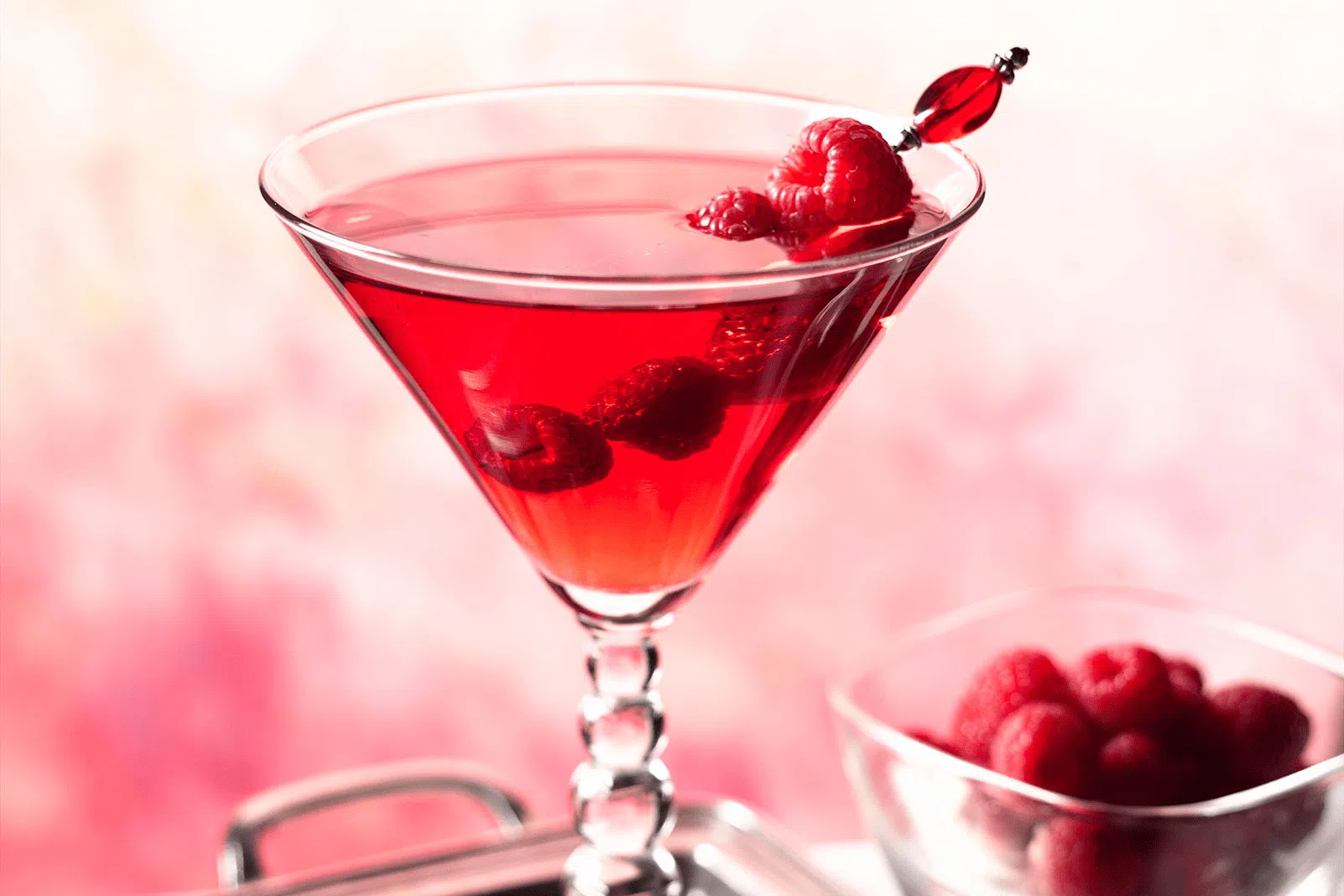
When an occasion calls for a drink that is both elegant and refreshing, the cranberry martini stands out as a favorite. The crisp tartness of cranberry juice, the lively kick of vodka, and those fragrant hints from orange liqueur come together to form a cocktail that feels festive at any time of year. Whether served at a cozy holiday gathering or enjoyed outdoors on a sunny afternoon, this modern classic strikes a perfect balance between fruity vibrance and just the right amount of edge.
What defines a cranberry martini?
This cocktail is far more than a quick mix in a glass. The cranberry martini is carefully crafted for color, flavor, and aroma. Its signature red hue immediately draws attention, setting it apart from more traditional choices at any event. Beyond its appearance, each glass offers bright acidity, subtle sweetness, and layers of taste that reveal themselves with every sip.
Achieving the ideal cranberry martini depends on finding harmony among its core components. Adjusting the tart-to-sweet ratio is simple by selecting different kinds of cranberry juice or tweaking the amount of orange liqueur or triple sec. Even small changes can transform the final impression, making this cocktail wonderfully adaptable.
Building blocks: core ingredients and their roles
The appeal of the cranberry martini comes from how familiar bar staples complement one another. While quality is important, the true secret lies in balancing these elements so none overpowers the rest. Here is a closer look at what makes up every excellent cranberry martini:
Core spirits and mixers
Begin with a generous measure of vodka—it provides a clean base that allows the supporting flavors to shine. Some prefer classic vodka, while others opt for citrus-infused varieties for added brightness. Next is cranberry juice, which delivers tartness and that unmistakable color. Using 100% pure juice gives a sharper tang, while a cranberry cocktail blend brings mellow sweetness.
An addition of orange liqueur, such as triple sec, introduces subtle citrus notes. For extra complexity, a splash of vermouth can be included, adding depth and delicate herbal undertones for a slightly drier version.
Garnishes and finishing touches
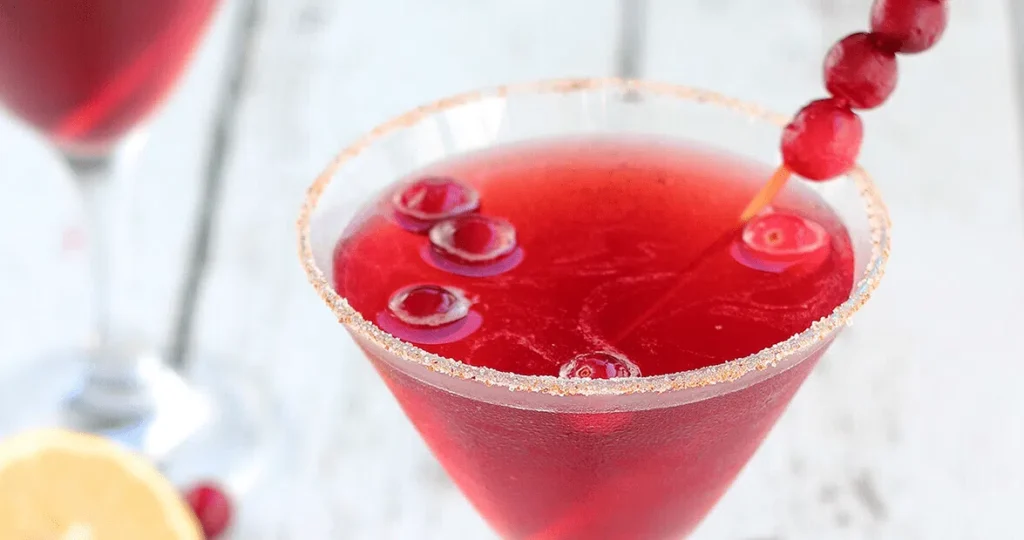
Presentation elevates the experience with cocktails like these. Fresh cranberries scattered on top add visual interest and a burst of freshness. A twist of orange zest not only perfumes the air as the martini is lifted but also highlights the existing citrus flavors.
For those who enjoy extra sweetness, rimming the glass with sugar creates a delightful contrast to the tart contents. This touch is especially popular during festive celebrations.
Practical steps: mixing the ultimate cranberry martini
The ritual of crafting a cranberry martini adds to its charm. There is no need for advanced bartending skills, but careful attention to detail ensures a standout result. Achieving a clear, cold cocktail depends on proper chilling, balanced proportions, and gentle mixing rather than enthusiastic pouring alone.
A reliable cocktail shaker and plenty of ice are essential. Vigorous shaking slightly dilutes the mixture, smoothing the vodka’s intensity and blending all the flavors into a perfectly refreshing drink best enjoyed immediately.
- Add 45 ml vodka, 30 ml cranberry juice, 15 ml triple sec (or other orange liqueur), and 10 ml vermouth to a cocktail shaker.
- Fill with ice, ensuring it nearly reaches the rim for thorough chilling.
- Shake firmly for 10–15 seconds until the outside of the shaker is frosted.
- Strain into a well-chilled martini glass.
- Garnish with fresh cranberries and a strip of orange zest for full effect.
Beyond the basics: customizing a cranberry martini
The classic recipe impresses, yet personalizing it keeps things interesting with every pour. Experimentation turns this cocktail into something truly tailored for the moment or individual tastes.
Try substituting regular triple sec with a more distinctive orange liqueur featuring bitter notes, or infuse the vodka with vanilla beans to introduce warmth and softness. For those who favor tartness, increase the proportion of cranberry juice and use just a hint of vermouth for dryness. At gatherings, set out bowls of garnishes—orange zest, sugar crystals, or fresh cranberries—so guests may get creative with their drinks.
Adjusting the sweet-tart ratio
For pronounced tartness, unsweetened cranberry juice is ideal, with less added sugar or liqueur. To please those who prefer sweeter flavors, simply use more orange liqueur or add a dash of grenadine. Finding the right balance ensures everyone will be satisfied with their glass.
At larger events, prepare a basic pitcher batch and allow guests to choose their own garnishes tableside. This interactive element often becomes a memorable highlight of the evening.
Seasonal twists and serving ideas
During autumn and winter, briefly stirring a crushed cinnamon stick or star anise into the shaker imparts gentle spice without overwhelming the mix. In warmer months, lighter versions with muddled berries alongside the cranberry juice offer a seasonal refresh.
Serving miniature martini glasses for tasting flights lets guests sample several variations, encouraging exploration of tonic water splashes, other fruit juices, or floral bitters. Ice cubes made from frozen juice or fruit puree can further enhance both color and evolving flavor throughout the experience.
Answers to common cranberry martini questions
Can different types of cranberry juice change the flavor of a cranberry martini?
Absolutely, the type of cranberry juice used has a significant impact on the drink’s profile. Pure, unsweetened juice brings sharp tartness and deep color, while blends labeled “cranberry cocktail” generally contain added sugars, resulting in a smoother, fruitier character. Choosing based on preference controls whether the final martini is more sweet or tangy.
- Pure cranberry juice: intense acidity, deep color
- Cranberry cocktail blend: mellowed sweetness, lighter finish
Which garnish works best aside from orange zest?
Fresh cranberries are a go-to choice, lending festive flair—especially in colder seasons. Rimming the martini glass with sugar provides sparkle and an indulgent touch. Edible flowers or a slim slice of lime may also be used for additional visual interest and bright fragrance, complementing the main flavors.
- Fresh cranberries
- Sugar-rimmed glass
- Lime wedge or edible flower
Is it possible to prepare cranberry martinis ahead of time for parties?
Preparing large batches in advance is an excellent strategy for entertaining. Multiply the basic recipe, stir all liquid ingredients together in a pitcher, and chill in the refrigerator. Just before serving, shake individual portions with fresh ice in a cocktail shaker and strain into glasses. This approach keeps martinis cold and freshly blended, preventing dilution.
- Mix all liquid ingredients in advance
- Store cold until needed
- Shake and pour for each guest
How can a non-alcoholic cranberry martini be made?
Creating a spirit-free option is easy: simply omit the vodka and substitute the orange liqueur or triple sec with a bit of fresh orange juice plus a splash of club soda for fizz. Garnish as usual for a sophisticated presentation. This mocktail fits any occasion where alcohol-free choices are desired.
| Ingredient | Standard | Mocktail Option |
|---|---|---|
| Vodka | Yes | No |
| Orange liqueur | Yes | Fresh orange juice |
| Cranberry juice | Yes | Yes |
| Ice & shaker | Yes | Yes |