
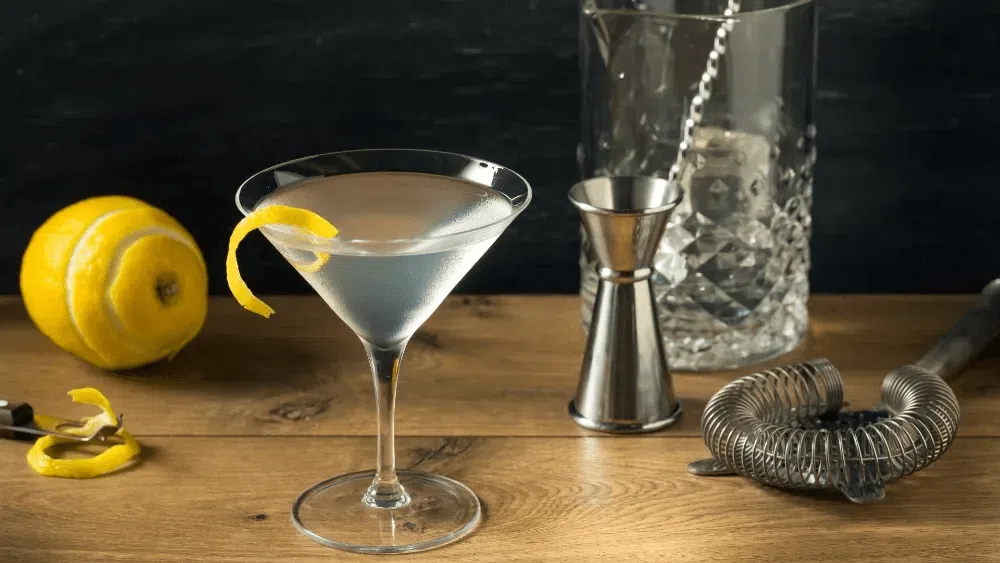
When considering iconic drinks, one immediately thinks of the classic dry martini, a symbol of elegance and simplicity. This famous cocktail continues to captivate enthusiasts, demanding attention not just in preparation but especially in the choice of spirit. Selecting the best gin for martini can feel daunting with so many styles on the market. However, focusing on certain qualities ensures every drink is both brilliant and balanced.
Exploring what defines a remarkable martini gin means looking beyond the first bottle within reach. Whether seeking bold character or subtle nuance, understanding different gin profiles brings anyone closer to their ideal sip. By delving into botanicals, styles, and flavors, it becomes clear why some gins truly shine in a martini glass.
Understanding what makes a great martini gin
Gins vary widely, and much of what determines their compatibility with a classic dry martini lies in their balance of botanicals and style. For those dedicated to finding a personal favorite, recognizing these key characteristics opens up a world of choices—each offering a unique perspective on this famous cocktail.
Martini gin recommendations typically highlight attributes such as crispness and complexity, allowing vermouth and garnish to enhance rather than overshadow. Starting by identifying which botanicals accentuate the bright, clean notes most expected in a martini helps guide the selection process.
The importance of juniper-forward gin and botanical blends
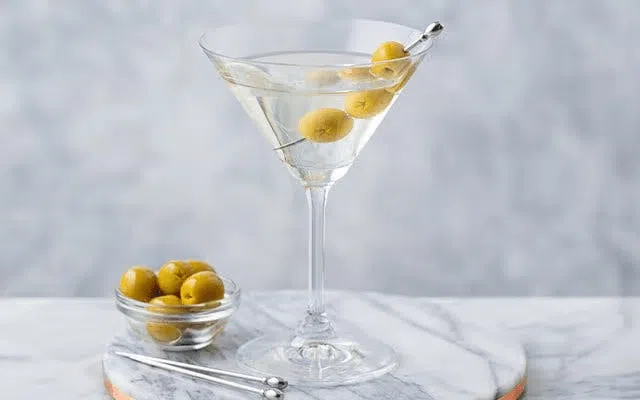
A defining trait of top shelf gin suited for a martini is a strong juniper presence, often referred to as “juniper-forward gin.” This classic pine aroma provides structure and evokes tradition, anchoring each sip. Beyond that, an array of botanicals—coriander, citrus peels, roots, and spices—contribute layers of flavor, adding depth to every pour.
Choosing between earthy flavors and floral notes instantly changes the drink’s mood. A focus on spice and herbs adds intrigue while letting the gin’s main personality shine through. The interplay among ingredients distinguishes ordinary bottles from those destined for martini greatness.
London dry gin: the timeless foundation
Many traditional recipes specifically recommend London dry gin, known for clarity, dryness, and a distinctively fresh profile. Its crisp, assertive nature demonstrates why experts consider it a benchmark for the best gin for martini occasions. With no added sweeteners, purity and quality are paramount, making this style naturally fitting for spirits-forward cocktails.
Expect earthy undertones, lively citrus, and a bouquet of background aromatics when choosing London dry gin. Bartenders often turn to this style for its harmony, ensuring every layer is appreciated without distraction.
Comparing flavor profiles: choosing the right style
One person might crave a robust, juniper-driven experience, while another prefers delicate, subtly sweet herbaceousness. Both preferences have a place in the world of martinis. While guidance often starts with personal taste, understanding the spectrum helps narrow down the options for the best gin for martini.
From assertive to gentle, each gin presents unique possibilities for crafting memorable versions of the classic dry martini.
Crisp gin and its role in a refreshing martini
Some palates are drawn to a razor-sharp edge—a crisp gin enhances dryness and botanical brightness. Serving chilled amplifies these traits, resulting in lighter, brisker martinis. Clean citrus, vibrant coriander, and striking juniper intermingle, delivering invigorating refreshment.
Minimalists may appreciate how a crisp gin allows the garnish to take center stage. Lemon twists and olives both add extra dimension when paired with a gin from the cooler end of the spectrum.
Earthy flavors and floral notes: exploring the aromatic range
Those who enjoy softness or a gentle perfume might seek out gins rich in floral notes—think lavender, rose, or chamomile. These botanicals transform a straightforward martini into something refined and intriguing, perfect for slow sipping and appreciation.
Meanwhile, earthy flavors—from roots, barks, or warming spices—bring depth and grounding warmth. Root-heavy gins create a distinctive experience, especially alongside drier vermouths. For anyone curious about expanding their martini repertoire, these alternative profiles unlock new tasting adventures.
How to choose among martini gin recommendations?
Selecting the right gin often begins with matching vermouth and garnish, yet several other factors come into play. Martini gin recommendations usually consider style, intensity, and finish. While some opt for top shelf gin for prestige, price alone does not guarantee excellence in a martini.
Experimentation is invaluable—tasting different bottles side-by-side uncovers nuances that would otherwise go unnoticed. Each option should offer balance, a pleasant mouthfeel, and a lasting, elegant finish. Sometimes, minor differences determine whether a gin earns a permanent spot in the rotation.
- Choose a preferred style (classic London dry gin, contemporary, or old tom)
- Note dominant botanicals—juniper, earthy, floral, or a blend
- Select a gin with a crisp, clean finish for sharper martinis
- Pair earthy or floral gins with suitable garnishes and vermouths
- Always try small servings before committing to a large bottle
Frequently asked questions about selecting the best gin for martini
What is the difference between London dry gin and other gin styles for a martini?
London dry gin stands out for its pure, crisp, and unsweetened profile dominated by juniper and a dry finish. Other styles like Old Tom or New Western gins tend toward sweeter or softer notes due to botanicals such as licorice root or exotic florals. In a classic dry martini, London dry gin delivers the punch and balance traditionalists adore, while newer styles let drinkers explore martinis with more floral notes or earthy flavors.
- London dry: strong juniper, excellent for crisp gin martinis
- Old Tom: slightly sweeter, rounder palate
- Contemporary/New Western: less juniper, more experimental botanicals
Which gin characteristics create the best martini experience?
Key elements include a pronounced juniper-forward gin base, balanced citrus, and harmonious supporting botanicals. High-quality top shelf gin combines freshness with complexity, resulting in a smooth, crisp finish. Some prefer botanical richness, others value simplicity, but avoiding overly aggressive or sweet varieties ensures the gin complements dry vermouth beautifully.
- Clear juniper-forward profile
- Balanced herbal or earthy flavors
- Crisp gin finish that lingers
- No excess sweetness
Should a martini use a gin with earthy flavors or floral notes?
That decision depends entirely on preference. Earthy flavors bring depth and warmth, pairing well with savory garnishes like olives or rosemary. Floral notes add a light, aromatic touch, suiting lemon or orange zest. Experimenting with different types lets each person discover which suits their favorite martini serve.
| Desired flavor | Gin type | Recommended garnish |
|---|---|---|
| Earthy | Root-heavy or spiced gin | Olive, rosemary sprig |
| Floral | Floral-botanical gin | Lemon/orange twist |
Is top shelf gin always better for a martini?
Many top shelf gin options are crafted with exceptional care and high-quality botanicals. Still, a martini benefits most from balance and suitability rather than price alone. Blind tastings sometimes reveal mid-range brands outperforming pricier bottles, particularly if expensive gins introduce unfamiliar botanicals that do not fit a classic dry martini profile.
- High-end gins do not always make a better drink
- Focus on taste and intended style over luxury reputation