
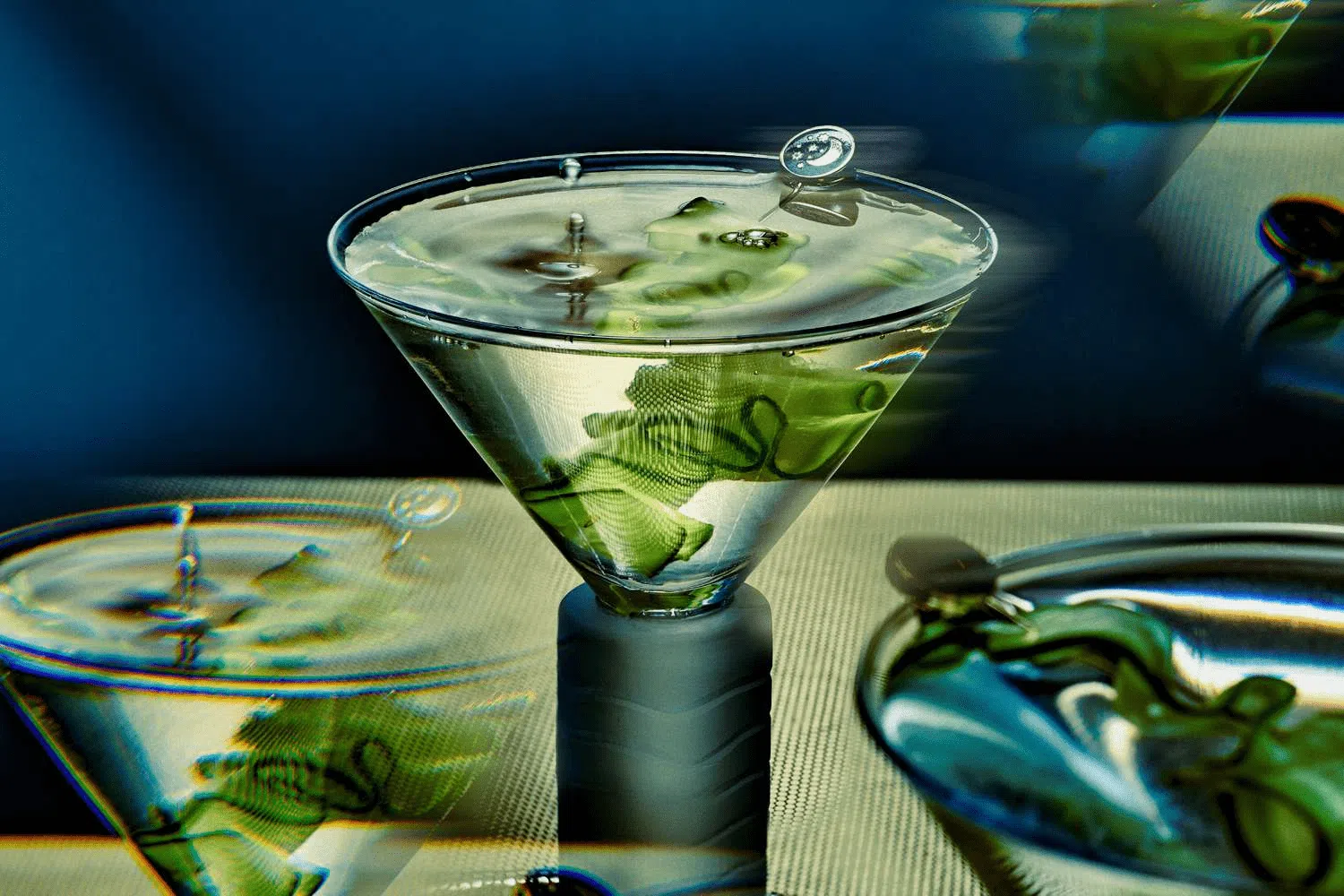
In the ever-evolving world of cocktails, few drinks embody playful reinvention quite like the saketini. Drawing inspiration from the timeless elegance of a classic martini, yet undeniably modern, this cocktail unites sake with Western spirits for a result that feels both unique and comfortingly familiar. For those seeking lighter flavors or an intriguing twist on the traditional cocktail hour, the saketini’s crispness and versatility are hard to resist. Exploring how a simple tweak can transform the experience proves that the saketini is far more than just a passing trend.
What exactly is a saketini?
Many have encountered countless martini variations—vodka, gin, espresso, or even chocolate—but the saketini stands out by weaving in rich Japanese traditions. At its heart, this drink replaces (or occasionally pairs) classic vermouth with sake, delivering flowery aromas and a subtle, mild taste profile. While dry vermouth has long been considered a staple companion to gin or vodka, swapping it for sake opens up new possibilities and invites experimentation.
Within bartending circles, debate continues over whether to use gin or vodka as the base spirit in a saketini. Gin brings botanical complexity, while vodka allows the nuanced flavors of sake to take center stage. Adding lemon or other citrus notes brightens the drink, and a touch of simple syrup sometimes appears to enhance balance. This freedom in ingredient selection keeps mixologists around the globe fascinated by the saketini’s potential.
Origins and global appeal
The precise origin of the saketini remains somewhat obscure, but most agree that its popularity surged alongside the global rise of interest in Japanese cuisine and beverages. By the early 2000s, adventurous home bartenders began substituting sake into their favorite cocktail recipes. As restaurant innovation and food trends flourished, the saketini found its place as a contemporary staple at bars known for fusion experiences.
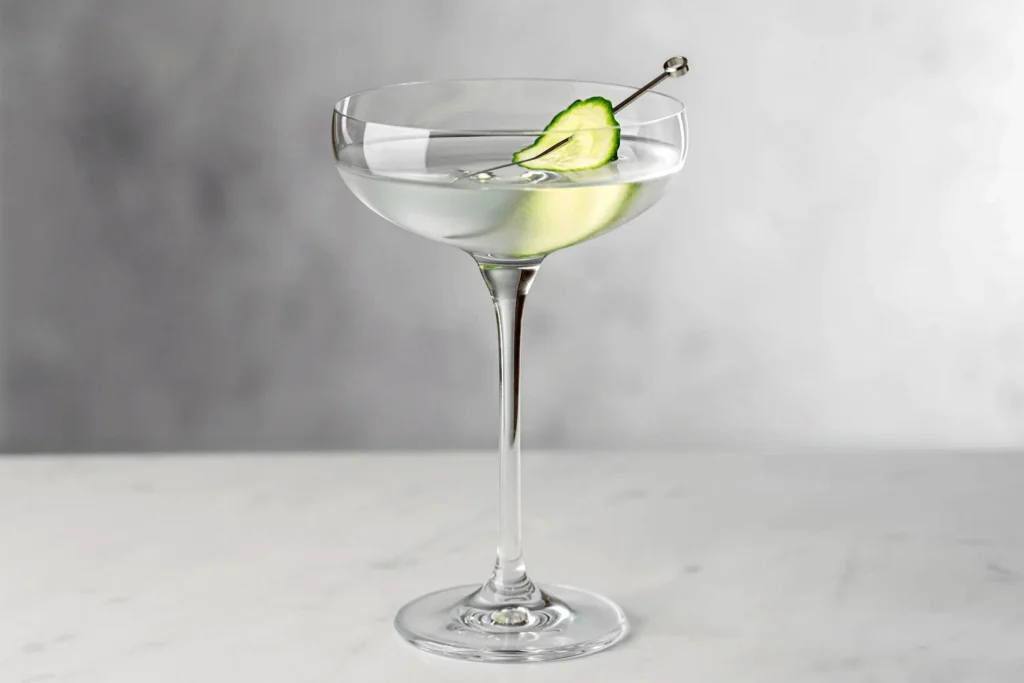
A significant part of the saketini’s widespread appeal lies in its ability to bridge culinary cultures effortlessly. Sake delivers a gentler alcohol presence compared to stronger spirits, encouraging leisurely sipping and lively conversation. When served in elegant glassware—perhaps with a cucumber garnish or a hint of yuzu zest—the saketini elevates any evening into a memorable occasion.
Essential ingredients and variations
The foundation of a great saketini is thoughtful ingredient choice. Not all sake styles behave identically, so experimenting with varieties such as junmai, ginjo, or daiginjo can dramatically alter the character of the drink. For the main spirit, both gin and vodka offer distinct advantages: gin imparts herbal structure, while vodka lets the sake truly shine.
Popular additions include vibrant citrus elements like lemon or yuzu juice, cucumber slices for fresh aroma, and the occasional drop of simple syrup to soften sharper edges. Achieving the right balance is key, so tasting throughout the process is essential. Adjusting ratios according to preference unlocks a personalized version of this modern cocktail recipe.
Personalizing the saketini
Cucumber slices provide a spa-like freshness without overshadowing delicate sake notes. Those who prefer tartness may enjoy muddling a wedge of lemon during preparation. The prized yuzu, celebrated in Japanese cooking for its fragrant peel, introduces a subtle tropical nuance that lingers on the palate. Simple syrup offers control over sweetness for further customization.
Creative mixologists sometimes incorporate flavored syrups—such as ginger or matcha—for a signature twist. Others experiment with rimming the glass with salt or blending spices with sugar before garnishing, adding extra complexity and visual flair.
Classic saketini builds
A widely recognized approach involves mixing equal parts sake and vodka with a splash of dry vermouth or lemon juice, then shaking with ice until thoroughly chilled. Gin-based saketinis often benefit from a touch of simple syrup and a dash of citrus oil to round out sharper flavors. Some enthusiasts opt for stirred versions, favoring clarity and minimal dilution, while shaking produces a livelier, slightly frothy texture.
No matter the method, garnishes make a striking impact: thin cucumber wheels, twists of yuzu or lemon, or even an edible flower floating atop the drink elevate presentation. Each choice offers something new, ensuring the saketini never becomes monotonous.
Shaken or stirred: which preparation suits best?
The classic debate about building the perfect martini certainly extends to the saketini. Shaking yields a beautifully cold, lightly aerated texture and integrates flavors quickly. Stirring, on the other hand, preserves clarity and subtlety—a particular advantage given sake’s gentle flavor profile.
When preparing multiple cocktails for gatherings, shaking proves efficient and impressive. For those who cherish ritual and a slower pace, stirring and watching the clear mixture swirl in the glass can be especially satisfying. Ultimately, there is no universal answer; personal style, mood, and company will guide the best approach.
How to craft a standout saketini at home?
Creating a saketini at home blends tradition with creativity. Begin with quality ingredients—a refined sake paired with either smooth vodka or aromatic gin forms a strong foundation. Invest time in finding the ideal ratio, as many develop their preferred standard after a few enjoyable experiments. Fresh citrus enhances aroma, and careful balancing ensures no single element overshadows the rest.
Serving the finished drink in a pre-chilled martini glass preserves its refreshing temperature. For added flair, curling a cucumber ribbon inside the glass or grating yuzu zest over the top creates a sensory treat. The process encourages discovery, so trust intuition and adjust the details to suit individual preferences.
- Choose a premium sake suitable for neat enjoyment
- Select high-quality vodka or gin to support the base
- Experiment with fresh citrus—lemon and yuzu work especially well
- Keep simple syrup ready to fine-tune the flavor balance
- Try creative garnishes: cucumber, citrus peel, or fresh herbs
- Taste incrementally and gradually adjust proportions
Food pairings and serving occasions
Saketinis excel as aperitifs, particularly before meals centered on seafood, Asian-inspired dishes, or light vegetarian plates. Their crisp, subtly floral tones harmonize beautifully with sushi or sashimi, enhancing umami-rich foods without overpowering delicate flavors. On warm evenings, enjoying a saketini outdoors transforms the moment into a celebration of possibility.
Guests delight in discovering inventive cocktails at social gatherings or intimate dinners. Serving a saketini highlights a host’s adventurous spirit and willingness to venture beyond the expected in pursuit of new pleasures. Sharing stories about favorite preparations fosters a convivial atmosphere, reinforcing why experimentation holds such a cherished role in cocktail culture.